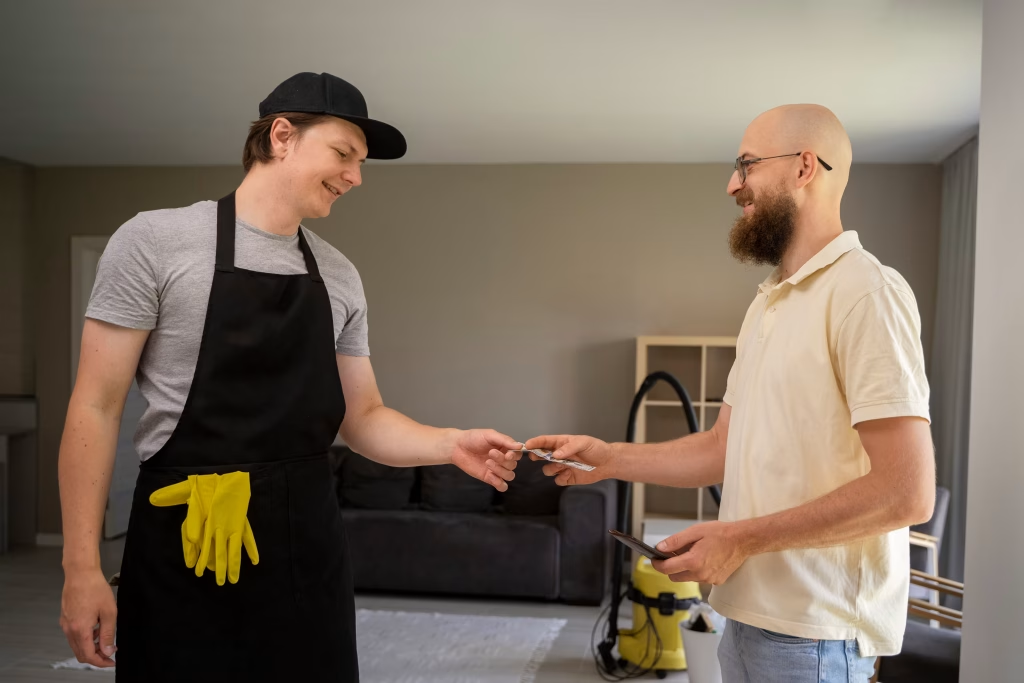
Finding clear information about cleaning job responsibilities can help two groups: homeowners who want to understand what a cleaner actually does, and job seekers who want to know what skills and duties are expected before applying to a cleaning position. Many people hire cleaners without fully knowing what tasks are included, what cleaners typically avoid, and how different cleaning roles work. On the other hand, many job applicants feel confused about which duties belong to a residential cleaner, a commercial cleaner, or a deep-cleaning specialist.
This guide aims to remove that confusion with a complete and practical explanation. Whether someone needs help with regular house cleaning in New Jersey or wants to apply for cleaning jobs through RMS Cleaning, this guide covers everything in one place.
What Are Cleaning Job Responsibilities?
Cleaning job responsibilities refer to the tasks, duties, and expectations cleaners follow during a shift. These responsibilities cover daily cleaning routines, safety practices, customer service, problem-solving, and proper use of cleaning tools. For homeowners, this overview helps set realistic expectations, clarifying what will be cleaned and how the process works. For cleaning professionals, this information allows them to understand what employers expect in residential and commercial settings.
At RMS Cleaning, these responsibilities directly align with the services offered, including regular cleaning, deep cleaning, move-out cleaning, and office cleaning.
Types of Cleaning Roles (And How Responsibilities Differ)
Different cleaning roles come with different expectations. Understanding the variations helps both clients and job seekers find the right match.
Residential Cleaner Responsibilities
Residential cleaners handle day-to-day household tasks. Their duties include cleaning living spaces, kitchens, bedrooms, floors, and bathrooms. They focus on creating a clean, safe, and comfortable living environment. Homeowners hiring regular or deep cleaning services through RMS Cleaning often want reliable help with dusting, vacuuming, wiping, disinfecting, and organizing small areas. Residential cleaning also involves respecting privacy and personal items, which are key parts of the job.
Commercial / Office Cleaner Responsibilities
Commercial cleaners work in offices, small businesses, and other buildings that require a clean, healthy environment for staff and customers. Their duties may include sanitizing high-touch areas, cleaning restrooms, emptying trash bins, wiping desks, and maintaining floors. Some tasks are repeated daily, while others are handled weekly. Since businesses depend on a clean workplace, reliability and consistency are especially important. Companies that request office cleaning require cleaners who can follow checklists carefully.
Deep Cleaning Specialists
Deep cleaning specialists handle detailed, time-intensive tasks beyond regular cleaning. These include cleaning inside appliances, scrubbing tile grout, washing baseboards, wiping vents, cleaning under furniture, and removing built-up dirt. Homeowners often book deep cleaning services during move-ins, move-outs, or seasonal cleanups. We receives many requests for deep cleaning because it helps bring a home back to a fresh condition, making it easier to maintain later.
Move-Out / Post-Construction Cleaners
Move-out cleaners handle properties that need a complete reset before a tenant moves out or before a new family moves in. Their work is heavier than regular cleaning and often includes removing dust from walls, cleaning cabinets inside and out, wiping doors and handles, and preparing areas like kitchens and bathrooms for inspection. Post-construction cleaners remove dust from renovation work, polish surfaces, and ensure the property is ready for use. We frequently offer these services in areas with high rental turnover.
Core Cleaning Job Responsibilities
Most cleaning jobs share a core set of responsibilities. These tasks apply to residential, commercial, and recurring cleaning services. Job seekers applying through RMS Cleaning’s application form should understand and feel comfortable handling these duties on every shift.
Essential Daily Cleaning Tasks
Daily tasks include dusting surfaces, wiping countertops, vacuuming carpets, mopping floors, emptying small trash bins, and cleaning common living areas. Cleaners must follow consistent routines to ensure every area is covered. Since many clients book weekly or bi-weekly services, these basic tasks form the foundation of most appointments.
Kitchen Cleaning Duties
Kitchen duties include cleaning countertops, wiping appliances, disinfecting sinks, polishing faucets, cleaning the microwave interior, wiping cabinet fronts, sweeping, and mopping. Kitchens gather food spills and grease, so this area requires extra attention. Deep cleaning may include cleaning oven interiors, scrubbing stovetops, and wiping refrigerator shelves.
Bathroom Cleaning Duties
Bathroom cleaning includes scrubbing toilets, cleaning showers, wiping mirrors, disinfecting sinks, removing soap scum, and cleaning tile areas. Bathrooms carry the most germs, so cleaners focus heavily on sanitation. Many clients hiring deep cleaning services expect a more intensive bathroom treatment.
Bedroom & Living Area Cleaning Duties
Bedroom and living room duties include dusting furniture, wiping dressers, vacuuming rugs, changing bed sheets upon request, and organising small items. Cleaners also handle cleaning nightstands, lamps, window sills, and baseboards, depending on the service package booked.
Trash Removal & Waste Management
Cleaners must empty trash bins, replace liners, and ensure trash is disposed of properly. Commercial cleaners may handle larger bins or recycling tasks. Waste must be removed carefully to avoid spills or contamination.
Light Organization & Tidying
This includes straightening pillows, adjusting blankets, folding small items, and placing household items in their proper spaces. It helps give the home a neat and organized look, which clients appreciate.
Deep Cleaning Responsibilities (Advanced Cleaner Duties)
Deep cleaning responsibilities go beyond routine tasks and focus on areas that gather hidden dirt, grime, and buildup over time. These responsibilities are more detailed and require greater effort, which is why companies like RMS Cleaning offer deep cleaning as a separate service. Deep cleaning specialists must handle tasks such as scrubbing tile grout, cleaning behind appliances, wiping inside cabinets, washing baseboards, polishing fixtures, and removing deep-set stains. These duties help restore the home to a fresher condition and make it easier for clients to maintain it afterwards. Homeowners often request deep cleaning before hosting guests, after busy seasons, or during move-ins and move-outs. Cleaners who take on these responsibilities must move carefully through each area, ensuring no corner is overlooked and that every part of the home gets proper attention.
What House Cleaners Are NOT Responsible For
Clients sometimes misunderstand what cleaners can and cannot do. For this reason, setting boundaries is essential for both homeowners and cleaners. Cleaners are not responsible for lifting cumbersome furniture, handling electrical repairs, maintaining appliances, performing handyman tasks, or disposing of hazardous waste. They also cannot provide childcare or pet-sitting unless it is part of a special service arrangement.
Cleaners do not wash exterior walls, remove mould infestations, or climb unsafe ladders. These tasks fall outside regular cleaning duties and require specialized contractors. By understanding these limits, clients know exactly what to expect when they book regular or deep cleaning services. This helps avoid confusion and keeps appointments smooth and productive.
Skills Required for Cleaning Jobs
Cleaning jobs require more than physical work. Successful cleaners bring a potent mix of personal skills, work habits, and knowledge of cleaning methods. These skills help maintain consistency across every home or office and ensure clients feel satisfied after each appointment.
Physical Skills
Cleaners must be comfortable standing, bending, reaching, and lifting small items for extended periods. Cleaning involves repetitive movements and continuous physical activity. A cleaner with good physical endurance completes work safely and efficiently.
Time Management & Efficiency
Good cleaners manage their time well, especially when handling multiple rooms or large areas. They maintain a steady pace and avoid wasting time on minor distractions. Time management matters for clients expecting a complete clean within the scheduled appointment window. Cleaners who follow an organised process deliver consistent results.
Attention to Detail
Attention to detail separates average cleaners from excellent ones. This skill helps cleaners spot missed corners, fingerprints, streaks, or dust on surfaces. Clients appreciate detail-focused cleaners because their homes or offices look more polished and fresh after each appointment. Attention to detail is essential in both regular cleaning and deep cleaning services.
Communication & Customer Service
Cleaners interact with clients daily. Good communication helps them understand special requests, clarify instructions, and report issues. Friendly and respectful behaviour builds trust, which leads to long-term relationships.
Understanding Cleaning Products & Safety
Cleaners must know which cleaning products work on different surfaces, such as stainless steel, glass, wood, tile, and stone. Using the wrong product can damage surfaces, cause streaks, or weaken materials. Cleaners also need to understand safety labels, dilution instructions, and how to avoid mixing harmful chemicals. This knowledge protects both the cleaner and the client.
Tools & Supplies Cleaners Use on the Job
Professional cleaners rely on a specific set of tools and supplies to complete each job effectively. These tools include microfiber cloths, vacuums, mops, brooms, dusters, scrub brushes, and disinfecting sprays. Cleaners may also use specialized products for stainless steel, glass, wood surfaces, or tile grout. Commercial jobs may require larger equipment, like floor buffers or industrial vacuums. Using the right tools helps maintain quality and reduces cleaning time. We provides many professional-grade products and check them regularly to ensure they work correctly. Clients often notice a clear difference when cleaners use high-quality tools versus basic household supplies. These tools help ensure each cleaning session runs smoothly and delivers a consistent outcome.
Health, Safety, and Compliance Responsibilities
Cleaners must follow important safety guidelines to avoid injury and protect clients. These guidelines include reading product labels, wearing gloves when needed, avoiding slippery surfaces, and ensuring good ventilation while using cleaning agents. They must also properly dispose of waste, prevent cross-contamination between rooms, and follow any building rules for commercial locations. Cleaners working on office cleaning jobs often follow strict sanitation requirements, especially in restrooms and shared areas. Safety helps maintain a healthy work environment, and it shows clients that the cleaning company takes responsibility seriously.
Workflow of a Professional Cleaner (Step-by-Step Process)
A professional cleaner follows a transparent workflow to stay organized and complete every task efficiently. The process often begins with a quick assessment of the space to identify what needs the most attention. Cleaners then move room by room, starting with dusting high areas and working downward to prevent dust from settling on cleaned surfaces. They complete tasks such as wiping, scrubbing, vacuuming, mopping, and disinfecting in a steady sequence. After each room is finished, cleaners perform a quick inspection to ensure nothing was missed. For commercial cleaning, the workflow may include checking supply levels, locking rooms, or signing completion sheets. RMS Cleaning uses structured cleaning checklists to help cleaners follow a consistent routine and ensure each appointment is consistent.
Cleaning Job Responsibilities vs. Job Description vs. Scope of Work
Many people confuse job responsibilities with the job description or the scope of work, but each one has a different purpose. Cleaning job responsibilities refer to the actual tasks a cleaner performs daily, such as vacuuming, dusting, disinfecting, and wiping surfaces. A job description explains the role more formally and includes work hours, required skills, job expectations, and benefits. The scope of work outlines what is included in the service package the client purchased.
For example, a standard cleaning may cover high-touch surfaces and floors, while a deep cleaning service may cover the insides of appliances, vents, and baseboards. Understanding these differences helps both clients and cleaners avoid confusion. It also helps job seekers who want to apply for a Cleaning Job understand precisely what the company expects before joining.
Cleaning Job Responsibilities by Experience Level
Cleaning duties grow as cleaners gain experience. This allows cleaning companies to assign tasks based on skill and confidence, resulting in higher-quality results for clients.
Entry-Level Cleaner
Entry-level cleaners focus on basic cleaning tasks such as vacuuming, dusting, wiping surfaces, and organizing small areas. They follow a checklist and work under supervision during the training period. Entry-level cleaners learn proper product use, safety rules, and customer service skills.
Senior Cleaner / Lead Cleaner
Senior cleaners handle advanced tasks and guide entry-level cleaners during appointments. They understand each service type, including regular, deep, and move-out cleaning. Senior cleaners can troubleshoot issues, manage client preferences, and maintain quality standards. Their role is vital during large bookings or homes that need extra attention.
Supervisor/Team Lead Duties
Supervisors oversee cleaning teams, inspect finished work, report issues, handle supply checks, and communicate with clients. They ensure the entire job meets company standards and help organize schedules. Supervisors also train new cleaners and help maintain consistency from one appointment to the next. In commercial cleaning settings, this role becomes even more critical for meeting business requirements and following building rules.
What Employers Expect From Cleaners (Professional Standards)
Employers expect cleaners to follow certain habits and behaviours that create a positive client experience. Cleaners should arrive on time, dress appropriately, follow the company’s checklist, and handle equipment carefully. Respecting client property is a significant responsibility, as cleaners work in homes, offices, and personal spaces. Cleaners should avoid distractions, communicate professionally, and follow instructions provided in service notes. Employers also expect honesty, reliability, and a positive attitude, as these qualities help build long-term customer relationships. We values these standards and places them at the centre of its services, from residential cleaning to office cleaning and specialized cleaning tasks.
FAQs
What does a cleaner do daily?
Cleaners complete tasks such as dusting, sweeping, vacuuming, wiping surfaces, disinfecting high-touch areas, taking out trash, and cleaning kitchens and bathrooms. The daily routine depends on whether the job is residential or commercial.
What are the main duties of a residential cleaner?
A residential cleaner handles bedrooms, living areas, kitchens, and bathrooms. Duties include wiping surfaces, cleaning sinks, scrubbing toilets, vacuuming carpets, mopping floors, and tidying spaces. Many homeowners rely on regular cleaning services to maintain a clean home weekly or bi-weekly.
What tasks are included in a deep cleaning service?
Deep cleaning includes scrubbing grout, cleaning inside appliances, wiping inside cabinets, polishing fixtures, cleaning vents, washing baseboards, and removing heavy buildup. These tasks go beyond standard cleaning and require more time and detail.
Do cleaners bring their own supplies?
Most professional cleaning companies provide their own supplies, including vacuums, mops, cloths, sprays, and disinfectants. We bring high-quality tools to every appointment so clients don’t need to provide anything unless they prefer certain products.
What tasks are not included in cleaning services?
Cleaners do not handle repairs, paint removal, heavy lifting, mold removal, wiring issues, or hazardous waste. These tasks require specialized services or contractors.
How to Apply for Cleaning Jobs (Step-by-Step Guide)
Applying for cleaning jobs is simple. Applicants begin by reviewing available roles on the Cleaning Jobs page, where they can see current openings for residential, commercial, or deep cleaning positions. After selecting a role, they can submit their information through the online application form. RMS Cleaning seeks applicants who demonstrate reliable work habits, physical ability, strong communication skills, and an interest in long-term growth. During onboarding, cleaners receive training on tools, products, safety steps, and service checklists. Job seekers can apply directly using this link:
👉 Apply to Join RMS Cleaning