Reviewed and Updated: July 28, 2026
A home can look clean inside while dirt, algae, mildew, pollen, road residue, and dark stains slowly build up across its siding, driveway, walkways, deck, and patio. At first, this buildup may seem like a cosmetic issue. Over time, however, it can trap moisture, make walking surfaces slippery, hide early surface damage, and leave exterior materials looking older than they are. The importance of pressure washing for your home lies in removing this buildup before it becomes harder to manage. With the correct pressure, cleaning solution, and surface-specific method, pressure washing can restore exterior areas, support routine home maintenance, and help homeowners avoid damage caused by improper cleaning.
For New Jersey homeowners, exterior cleaning is especially useful because homes face seasonal rain, pollen, road dirt, humidity, winter residue, and changing temperatures throughout the year. Some areas can be cleaned with controlled water pressure, while siding, painted surfaces, wood, and roofing materials may require a lower-pressure soft-washing method. Understanding that difference is essential because effective exterior cleaning depends on using the right method rather than simply using the strongest machine.
What Is Pressure Washing?
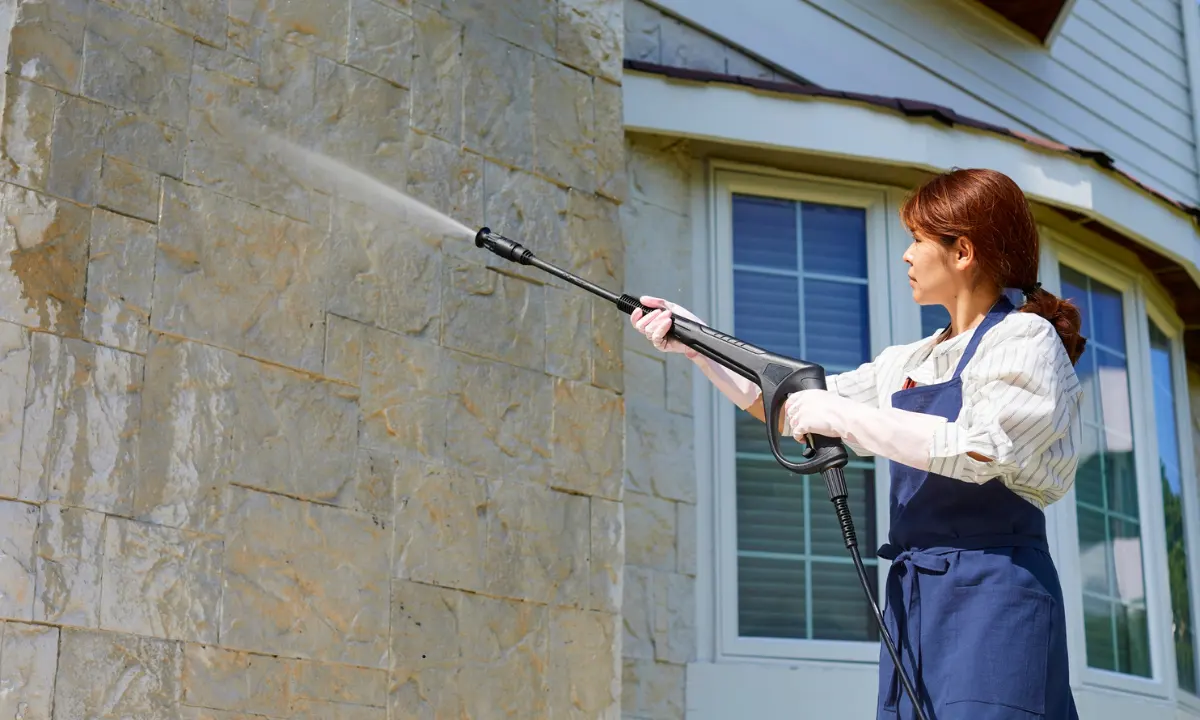
Pressure washing uses a powered machine to direct water at a controlled pressure against an exterior surface. The water loosens and removes dirt, grime, algae, loose residue, mud, and some surface stains that are difficult to remove with a garden hose or manual scrubbing. The equipment may use different nozzles, pressure levels, water-flow rates, and cleaning agents based on the material being cleaned. Dense surfaces such as concrete can usually tolerate more pressure than vinyl siding, painted wood, roof shingles, or older masonry. A trained cleaner assesses the surface before choosing the equipment settings.
Pressure washing should be treated as a controlled exterior-cleaning method rather than a one-setting solution for every part of a property. Using excessive pressure may strip paint, mark wood, loosen siding, damage mortar, or force water behind exterior materials. Good results come from matching the cleaning process to the condition of the surface.
Pressure Washing and Soft Washing Are Different
Pressure washing relies mainly on water force to loosen buildup. It is commonly used on hard surfaces such as concrete driveways, stone walkways, some brick areas, and durable patios. Soft washing uses lower water pressure with an appropriate cleaning solution to break down organic buildup. It is often better for siding, roofing materials, painted exteriors, delicate masonry, and surfaces that could be marked by a high-pressure spray.
RMS Cleaning provides both pressure washing and soft washing services across New Jersey. Its exterior cleaning service covers siding, roofs, driveways, walkways, decks, patios, fences, storefronts, and other residential and commercial surfaces. The company selects the method based on the material and condition of each area.
| Cleaning method | Common applications | Main purpose |
| Pressure washing | Concrete, durable stone and hard exterior areas | Remove embedded dirt and surface grime |
| Soft washing | Siding, roofs and painted or delicate surfaces | Treat organic buildup with lower pressure |
| Manual cleaning | Small, fragile or detailed areas | Provide controlled spot cleaning |
Why Pressure Washing Is Important for Home Maintenance
The exterior of a house acts as a protective barrier against weather, moisture, dust, plant debris, pollution, and daily wear. Allowing grime to remain on that barrier can make inspections more difficult and may give organic growth more time to spread. Pressure washing supports home maintenance by clearing away buildup so the actual condition of the surface can be seen. Once an area is clean, homeowners can more easily identify peeling paint, damaged sealant, open joints, surface cracks, loose boards, deteriorated mortar, or drainage problems. Cleaning does not repair structural defects or solve the source of persistent moisture. It does, however, create a cleaner surface for inspection, maintenance, sealing, staining, or painting. That makes it a useful part of a larger exterior-care plan.
It Removes Mold, Mildew and Algae Buildup
Mold, mildew, and algae commonly develop in damp or shaded locations. North-facing siding, areas near trees, poorly drained walkways, shaded patios, and surfaces below leaking gutters may remain wet longer than open, sunny areas. The U.S. Environmental Protection Agency explains that moisture control is central to controlling mold. It also advises cleaning mold growth promptly and correcting the water problem that allowed it to develop. Cleaning without addressing leaks, drainage, or persistent dampness may allow the problem to return.
Pressure washing or soft washing can remove visible exterior organic buildup from suitable surfaces. The correct process depends on what is growing, the condition of the material, and the source of moisture. After cleaning, homeowners should also clear blocked gutters, correct drainage issues, repair leaks, and trim dense vegetation where needed. Pressure washing should not be presented as mold remediation for serious indoor contamination. Exterior surface cleaning and indoor mold remediation are different services. Large, hidden, recurring, or water-damage-related mold problems may require a qualified remediation professional.
It Helps Exterior Materials Last Longer
Dirt itself does not destroy every surface, but neglected buildup can contribute to conditions that shorten the useful life of exterior finishes. Moisture may stay trapped beneath leaves, moss, algae, and heavy organic residue. Stains may become more difficult to remove. Painted surfaces can become harder to inspect, and wood may remain damp for longer periods. Periodic cleaning helps homeowners maintain materials before staining, sealing, repainting, or repairing them. A clean deck, for example, provides a better surface for evaluating worn boards and preparing for a protective finish. Clean siding makes it easier to locate cracks, damaged caulking, and loose sections.
The goal is preventive care, not a promise that pressure washing will stop every form of deterioration. The service is most valuable when combined with timely repairs, moisture control, proper drainage, and material-specific maintenance.
It Improves Curb Appeal Without Replacing Materials
Exterior surfaces often lose their original appearance because they are covered by grime rather than permanently damaged. A gray driveway may be hiding lighter concrete. Green siding may have algae on the surface. A dull patio may simply contain layers of dirt, pollen, and weather residue. Professional exterior cleaning can reveal the actual color and condition of these materials. This can make the house look brighter, improve the entrance, and create a cleaner first impression without immediately repainting, resurfacing, or replacing usable materials.
Pressure washing is especially helpful before listing a property, hosting an event, completing seasonal maintenance, or refreshing outdoor areas after winter. It will not fix faded paint, cracked concrete, or damaged siding, but it can help homeowners separate removable dirt from defects that require repair.
It Can Make Outdoor Walking Areas Safer
Algae, moss, mud, and wet organic residue can create slick areas on concrete steps, shaded paths, patios, and poolside surfaces. Pressure washing can remove this surface buildup and improve traction, provided the material is suitable for high-pressure cleaning. Cleaning alone does not correct uneven paving, broken steps, drainage defects, or surfaces that remain slippery because of their texture. These issues should be repaired separately. The cleaned area must also be allowed to dry before normal use.
Regular inspections are useful around entry paths, stairs, ramps, patios, and frequently used walkways. If green or dark buildup returns quickly, the property may have excessive shade, poor runoff, leaking gutters, or another moisture source that needs attention.
Which Parts of a Home Benefit From Pressure Washing?
Pressure washing can be used across many exterior areas, but the same technique should never be applied everywhere. Surface strength, age, coating, existing damage, and water-entry risk must be considered before cleaning begins. A professional inspection helps determine which areas can tolerate pressure washing and which require soft washing or manual cleaning. This reduces the risk of treating a fragile surface as if it were concrete.
House Siding and Exterior Walls
Vinyl siding, brick, stucco, fiber cement, painted wood, and other exterior finishes collect different forms of buildup. Pollen may create a yellow film, airborne dirt may darken walls, and shaded areas may develop green or black organic stains. Siding usually requires controlled cleaning from a safe direction. Spraying upward beneath siding panels can force water behind them. Excessive pressure may also mark softer materials, loosen paint, damage seals, or worsen existing cracks.
Soft washing is commonly selected for siding because the cleaning product can loosen organic buildup before a low-pressure rinse. Older brick and mortar should also be inspected carefully because weak mortar joints may not tolerate aggressive spraying.
Driveways, Walkways and Concrete
Concrete is one of the most common pressure-washing surfaces because it can collect vehicle residue, soil, leaf stains, algae, mud, and general grime. Controlled pressure can lift buildup from the textured surface more effectively than light rinsing. Some stains require pre-treatment and may not disappear completely. Oil that has penetrated deeply into porous concrete, rust, paint, tire marks, and mineral deposits may need a specialized product or repeated treatment. A reputable service provider should set realistic expectations rather than promise complete removal of every stain.
New, cracked, flaking, previously repaired, or poorly sealed concrete requires extra care. Excessive pressure can expose aggregate, widen weak areas, or create visible cleaning lines.
Decks, Patios and Fences
Outdoor living areas receive rain, pollen, fallen leaves, foot traffic, food spills, and moisture from nearby plants. Cleaning can restore their appearance and prepare some surfaces for staining or sealing. Wood requires lower pressure and careful nozzle control. A concentrated spray held too close can cut into the grain, leave lines, raise wood fibers, and create an uneven finish. Composite decking, pavers, natural stone, and painted fences also have their own cleaning requirements.
After washing wood, it should dry fully before staining or sealing. Applying a finish while moisture remains in the material can affect adhesion and final appearance.
Roofs Require a Lower-Pressure Method
A roof should not be cleaned like a concrete driveway. Direct high-pressure washing may damage shingles, remove protective granules, disturb flashing, or push water beneath roofing materials. RMS Cleaning uses soft-wash treatments for roofs and other delicate surfaces. Its process combines lower pressure with an appropriate cleaning solution to address moss, algae, and dark streaks without relying on aggressive water force.
Roof access also creates a fall hazard. Homeowners should avoid climbing onto wet roofs or attempting to operate pressure equipment from ladders. A ground-based professional assessment is the safer starting point.
How Often Should You Pressure Wash Your Home?
There is no correct schedule for every property. Many homes may benefit from exterior cleaning about once a year, while others may remain clean longer or require earlier attention in specific areas. Cleaning frequency should be based on visible condition rather than an automatic date alone. A shaded walkway with algae may need attention before the rest of the property. Siding near trees may become dirty sooner than open walls. A heavily used driveway may require more frequent cleaning than a protected patio.
Useful factors include:
- Local humidity and rainfall
- Shade and nearby trees
- Pollen and airborne dust
- Road traffic and vehicle residue
- Coastal salt exposure
- Drainage around the property
- Surface material and age
- Previous coating, sealing or repair work
- Visible mold, mildew, algae or stains
A practical approach is to inspect the property in spring and again before winter. Schedule cleaning when buildup becomes visible, surfaces become slippery, or exterior maintenance work requires a clean base.
Why Professional Pressure Washing Is Often Safer Than DIY Work
A consumer pressure washer may appear simple to operate, but the combination of high-pressure water, electricity, cleaning chemicals, wet surfaces, ladders, windows, landscaping, and exterior openings creates several risks.
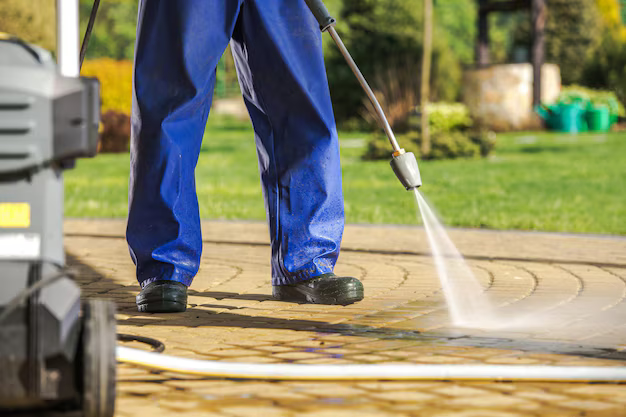
The U.S. Consumer Product Safety Commission warns that electric pressure washers must be properly grounded, electrical connections must be kept away from standing water, and children should remain away from the equipment. OSHA accident records also document injuries in which high-pressure water penetrated footwear and caused injection wounds requiring hospitalization.
Professional service is particularly useful when:
- The property has multiple surface types
- Siding or roofing requires soft washing
- The work involves upper stories
- Stains require chemical treatment
- There are electrical fixtures near the cleaning area
- The surface is old, painted, cracked or previously repaired
- Water runoff must be controlled
- The homeowner is unsure which pressure level is safe
The value of hiring a professional comes from assessment and control. The machine itself is only one part of the process.
Common Pressure-Washing Mistakes to Avoid
Pressure-washing damage often occurs because of common cleaning mistakes. The safest process starts with inspection, testing, preparation, and gradual adjustment.
Using Excessive Pressure
More pressure does not always produce a better result. It can remove paint, damage wood fibers, loosen mortar, mark siding, disturb seals, and force water into areas that were not meant to become wet. A cleaner should begin with the least aggressive effective method. Pressure, distance, nozzle angle, water flow, cleaning solution, and contact time all affect the result.
Using One Technique on Every Surface
Concrete, vinyl, wood, brick, stucco, roof shingles, pavers, and painted surfaces respond differently to water pressure. A setting that works well on a driveway may damage siding within seconds. Each surface should be assessed separately. Even two areas made from the same material may require different treatment if one is older, cracked, painted, sealed, or heavily weathered.
Ignoring Openings and Electrical Hazards
Water should be kept away from exposed electrical equipment, damaged outlets, open windows, vents, door gaps, and other entry points. Exterior fixtures may need to be covered or avoided, depending on their condition. Before cleaning begins, windows should be closed, damaged seals identified, outdoor items moved, and the work area checked for hazards. Electrical pressure washers should be connected according to the manufacturer’s safety instructions and current CPSC guidance.
Failing to Protect Landscaping
Some cleaning products can affect grass, flowers, shrubs, soil, and nearby water drains if they are applied carelessly. Plants may need to be covered, pre-wet, rinsed, or kept outside the treatment area. Runoff should be considered before starting.
What Happens During a Professional Pressure-Washing Service?
A professional process should be easy for the homeowner to understand. RMS Cleaning describes a service sequence that includes surface evaluation, method selection, pre-treatment, washing, rinsing, and a final quality check.
Property and Surface Inspection
The cleaner first identifies the surfaces, stains, organic growth, coatings, fragile areas, drainage routes, electrical fixtures, nearby plants, and existing damage. This step helps determine whether an area needs pressure washing, soft washing, spot treatment, or another cleaning method. Homeowners should point out leaks, recent repairs, loose siding, cracked windows, damaged mortar, peeling paint, and any areas where water has entered before.
Preparation and Method Selection
Furniture, planters, toys, vehicles, and loose outdoor items may need to be moved. Windows and doors are checked, sensitive fixtures are protected, and landscaping is prepared. The cleaner then selects the pressure level, nozzle, cleaning solution, working distance, and rinse method. A small test area may be cleaned first to confirm that the method is safe.
Cleaning, Rinsing and Final Review
The surface is treated and cleaned in controlled sections. The cleaner monitors the response of the material and adjusts the process if needed. Remaining residue is rinsed away, and nearby areas are checked for overspray or runoff. A final review allows the homeowner and cleaner to identify the completed areas, discuss stains that could not be removed safely, and note repairs or future maintenance that may be needed.
Signs Your Home May Need Pressure Washing
Homeowners do not need to wait until every exterior surface looks heavily neglected. Early cleaning is often easier and can reduce the need for aggressive treatment later.
Common signs include:
- Green growth on siding, steps or shaded walkways
- Black streaks or patches on exterior surfaces
- Slippery concrete after rain
- Heavy pollen coating
- Darkened driveway or patio areas
- Dirt around entrances and lower siding
- Moss between pavers
- A deck or fence that needs cleaning before refinishing
- Exterior buildup that cannot be removed with normal rinsing
- A noticeably uneven appearance between exposed and protected areas
Persistent stains should also be inspected for underlying causes. A dark area below a gutter, for example, may point to a leak or overflow problem rather than a cleaning issue alone.
Frequently Asked Questions About Pressure Washing
Why is pressure washing important for your home?
Pressure washing removes exterior dirt, grime, organic buildup, and surface stains that normal rinsing may leave behind. It improves the appearance of the property, makes surfaces easier to inspect, supports painting and sealing preparation, and may reduce slippery buildup on suitable walking areas.
Can pressure washing damage siding?
Yes, incorrect pressure, distance, nozzle selection, or spray direction can damage siding or push water behind it. Siding often benefits from soft washing or another lower-pressure method performed by someone who understands the material.
Is pressure washing safe for concrete?
Sound, established concrete can often be pressure washed safely. New, cracked, flaking, repaired, or weak concrete requires careful evaluation. Excessive pressure may expose aggregate or leave visible marks.
Can pressure washing remove mold and mildew?
It can remove visible exterior buildup from appropriate surfaces, but cleaning must be paired with moisture control. The EPA advises correcting the water or moisture problem because mold may return when damp conditions remain.
Should a house be pressure washed before painting?
Exterior surfaces generally need to be clean, dry, and free from loose contamination before painting. The cleaning method must avoid damaging the surface or forcing water behind it. Adequate drying time is essential before primer or paint is applied.
Is pressure washing safe for a roof?
Traditional high-pressure washing is generally unsuitable for many roofing materials. A professional soft-wash process is usually the safer cleaning option for roofs because it relies on lower pressure.
How long does professional pressure washing take?
The time depends on property size, surface type, access, buildup, stain treatment, preparation, and the cleaning method. A small driveway may require far less time than a full exterior service involving siding, patios, walkways, and soft washing.
Choose Professional Pressure Washing in New Jersey
Pressure washing is valuable because it solves a visible cleaning problem while supporting broader exterior maintenance. It can remove accumulated grime, restore outdoor areas, make surfaces easier to inspect, and prepare suitable materials for painting, staining, or sealing. The result depends on selecting the correct process for each surface. RMS Cleaning offers residential pressure washing and soft washing services throughout New Jersey. Its listed services include house and siding cleaning, roof soft washing, driveway and walkway cleaning, deck and patio washing, fence cleaning, concrete cleaning, and commercial exterior cleaning. The company also provides surface evaluation, flexible scheduling, free estimates, and a final quality review.
If your siding has green buildup, your driveway has become dark and stained, or your walkways feel slippery after rain, request a professional inspection before the condition worsens. RMS Cleaning can assess the affected surfaces, choose between pressure washing and soft washing, and provide a clear service recommendation based on your New Jersey property.