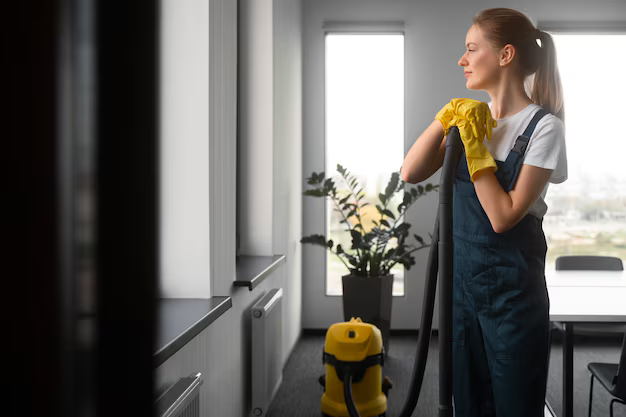
Many homeowners hire cleaners based on price or convenience, only to later discover the serious issues that come with choosing someone with no license, no insurance, and no verified credentials. The cleaning industry may look simple on the surface, but it involves handling chemicals, accessing private rooms, dealing with valuables, and working in environments where injuries or damage can happen. When the cleaner is unlicensed, uninsured, or working as an informal subcontractor, all risks transfer directly to the homeowner. This includes financial liability, medical bills, property loss, legal disputes, and loss of insurance protection. That’s why professional companies stress licensed operations, employee background checks, liability coverage, and documented procedures to keep homeowners legally protected.
Why Licensing and Insurance Matter in the Cleaning Industry
Licensing sets a clear standard that the cleaning provider is recognized by state or local authorities and follows basic business rules required for consumer protection. Insurance adds another layer of protection, covering property damage, bodily injury, lost items, and employee accidents. Homeowners often assume their home insurance will cover issues that occur during a cleaning visit, but this is rarely the case. Without coverage such as General Liability Insurance, Workers’ Compensation Insurance, Employee Honesty Bonding Insurance, or Janitorial Bonds, a simple mishap can lead to thousands of dollars in out-of-pocket costs. Professional cleaning companies are expected to meet these insurance requirements, while unlicensed cleaners usually avoid them to cut operating costs. This exposes homeowners to significant risks that they never agreed to take on.
What Homeowners Don’t Realize When Hiring an Unlicensed Cleaner
Many people think hiring a cleaner who charges under the table or advertises on local classifieds is harmless, but they usually don’t understand the risks involved. These workers often operate without any proof of insurance, without employee vetting, and without training in safe cleaning methods or chemical handling. They also rarely follow best practices such as background checks, job documentation, safety protocols, or eco-friendly cleaning product standards. If something goes wrong, homeowners have no formal agreement, no legal recourse, and no insurance protection. Every reputable company, such as RMS Cleaning, documents procedures, screens workers, carries insurance, and provides customer guarantees. These protections simply do not exist with unlicensed cleaners.
How the U.S. Regulates Cleaning Work (and What Many Cleaners Ignore)
In the U.S., cleaning workers are subject to federal, state, and local rules governing business registration, employment taxes, workers’ compensation, and safe work practices. States and counties require operating licenses, and local jurisdictions enforce business compliance and bonding requirements. Safety rules from OSHA, injury guidelines from NIOSH, and regulations from regional regulatory authorities help ensure safe chemical use, proper equipment handling, and protection for both workers and homeowners. Many unlicensed cleaners skip these obligations entirely. They avoid employer taxes, skip safety training, and work without proper insurance. This leaves homeowners exposed to injury liability, property damage costs, and tax problems they never anticipated.
What Is Legally Required vs. What Is Commonly Missing
Homeowners often don’t realize that hiring someone privately may legally classify them as an “employer.” That means they can be held responsible for state and federal employment taxes, medical expenses for worker injuries, and any damage caused during the job. Unlicensed cleaners rarely carry Workers’ Compensation Insurance, so if they fall or get hurt inside the home, the medical bills can pass directly to the homeowner. The problem becomes worse when the cleaner uses subcontractors or helpers who also work without coverage. Without permits, insurance certificates, or proof of credentials, homeowners have no agency to recover losses. Professional providers maintain proper licensing, provide insurance documents upon request, and follow industry best practices to ensure clients remain legally protected.
Financial Risks Homeowners Face with Unlicensed or Uninsured Cleaners
Many homeowners choose low-cost cleaners because the price looks appealing at first, but these “cheap cleaning services” often lead to far greater expenses later. When a cleaner works without insurance, licensing, or bonding, the homeowner becomes responsible for any accidents, injuries, or property damage that occur during a job. A simple scratch in the flooring, a dropped appliance, or a chemical spill can lead to repair bills that far exceed what a licensed cleaning company would charge. Some homeowners have also suffered losses from theft, with no way to recover the damages. These risks quickly turn a small upfront saving into a significant and stressful financial burden.
Injury Liability: When the Cleaner Gets Hurt in Your Home
If an unlicensed cleaner slips, strains a muscle, or suffers an injury in your home, you may be held responsible for medical bills. They do not have Workers’ Compensation Insurance, and most homeowner insurance policies do not cover workers who are not part of a legitimate company. This means hospital bills, lawyer fees, and wage-loss claims may fall directly on the homeowner. This is one of the most common hidden dangers, and many people learn about it only after an injury occurs.
Property Damage With No Compensation or Recourse
Unlicensed cleaners do not carry General Liability Insurance, so any damage they cause becomes the homeowner’s problem. This includes broken appliances, scratched surfaces, ruined countertops, or damage caused by incorrectly mixed chemicals. Without insurance or bonding, there is no reimbursement route. Homeowners cannot file a claim, and many unlicensed cleaners simply stop responding when a problem occurs. This is why search terms like cleaning damage claims” and “liability for cleaners” are widespread; many homeowners face these issues after hiring the wrong person.
Legal & Regulatory Consequences Homeowners Rarely Consider
Hiring an unlicensed cleaner is not just risky; it can create legal problems. Some states classify cleaners as domestic workers, and hiring someone who is not adequately documented, insured, or registered can lead to IRS concerns, penalties, or wage-classification issues. If the cleaner is operating “off the books,” the homeowner may unintentionally violate state labor laws. These legal situations can be stressful and expensive, especially if an investigation occurs after an injury or a complaint.
Risk of Hiring Cleaners Without Background Checks
Licensed cleaning companies run background checks on employees, but unlicensed cleaners usually skip this step. Without screening, there is no way to know if a cleaner has a criminal history, past theft complaints, or identity issues. This raises the risk of missing items, unauthorized access to personal spaces, or unsafe behavior in the home. Many homeowners assume background checks are standard, but most independent cleaners never complete them.
Quality Risks: Why Unlicensed Cleaners Deliver Poor, Inconsistent, or Unsafe Work
A lack of training leads to uneven results, unsafe cleaning habits, and poor workmanship. Unlicensed cleaners often rely on guesswork instead of proven cleaning systems. They may not understand proper disinfection steps, safe product use, surface-specific techniques, or quality standards expected in professional cleaning. There is no supervisor, no documented process, and no quality guarantee. Many homeowners report streaky glass, damaged countertops, missed areas, and inconsistent results because the cleaner lacks formal training or guidelines.
Cleaning Chemical Hazards & Safety Issues
Using the wrong cleaning products can cause serious harm. Unlicensed cleaners often mix chemicals without checking labels, which may lead to strong fumes, allergic reactions, burned surfaces, or respiratory irritation. Some do not follow any infection-control practices, which can cause cross-contamination between rooms, especially concerning kitchens and bathrooms. Without safety training or OSHA awareness, they increase the risk to families and pets.
Hidden Legal Risks: Taxes, Subcontracting, and Employment Issues
Many unlicensed cleaners classify themselves as “independent workers,” but this often involves tax, employment, and documentation issues. If a homeowner unknowingly hires someone who violates state or federal employment laws, they may be drawn into legal trouble during an investigation. Some unlicensed cleaners use uninsured subcontractors, which adds another layer of risk. Licensed companies comply with employment tax requirements, background check requirements, and safety requirements. This protects clients from unexpected involvement in legal or tax-related problems.
How to Verify a Cleaning Company: A Homeowner’s Checklist
Homeowners can avoid most cleaning-related problems by confirming a company’s credentials before booking. A reliable cleaning company should be fully registered as a business and able to provide an EIN when asked. They should also have an updated insurance certificate showing active general liability insurance, workers’ compensation coverage, and bonding proof to protect homeowners from theft or damage. Employee screening is another key factor, as professional companies complete background checks to ensure safety inside the home. A written service agreement outlines pricing, duties, and responsibilities, providing homeowners with clarity and protection. These basic checks help confirm whether a cleaner is legitimate or operating without proper oversight.
Questions Homeowners Should Ask Before Hiring a Cleaner
Asking the right questions helps homeowners understand the level of protection they will receive. Key questions include:
- Do you carry general liability insurance?
- Are your employees background-checked?
- Who pays if something breaks?
- What happens if your cleaner gets injured?
These questions match standard search terms, such as “questions to ask a cleaning service” and “verify a cleaning company,” helping homeowners make more intelligent choices and avoid unlicensed or uninsured cleaners who offer little protection.
Why Hiring a Licensed & Insured Cleaning Company Saves You Money Long-Term
Choosing a cleaning company that is licensed, insured, and bonded reduces the risk of financial loss. These companies have systems that prevent damage, protect against injury claims, and ensure the job is completed to a higher standard. Their insurance coverage provides accountability, while structured training and screening support consistent quality. Legal compliance also protects homeowners from tax issues or unexpected liabilities. Although insured cleaners may charge slightly higher rates, they prevent expensive problems later, making them a more cost-effective choice overall.
Why Licensed Cleaning Companies Are the Safer Choice
RMS Cleaning is fully licensed to operate in the United States and complies with all county and city regulatory requirements for residential cleaning services. This means homeowners never have to worry about legal gaps, unverified workers, or poor compliance. Licensing ensures it meets safety guidelines, quality standards, and professional requirements set by local authorities. Clients receive service from a company that operates with transparency and full accountability.
Fully Insured Protection That Shields Homeowners from Risk
A significant reason homeowners trust is the complete insurance coverage that comes with every service. The company offers key protections, including General Liability Insurance, Workers’ Compensation Insurance, a Business Owner’s Policy, and Commercial Auto Insurance. These policies protect homeowners from financial burdens linked to accidents, injuries, or property damage. If a cleaner is injured or a surface is damaged, homeowners are not responsible for the costs. This level of protection is beyond the reach of unlicensed cleaners.
Background-Checked, Bonded, and Trained Cleaning Specialists
Every employee is background-checked, professionally trained, and covered through Janitorial Bonds or Employee Honesty Bonding Insurance. This ensures safe entry into your home and protects against theft or misconduct. Beyond safety, our trained specialists use appropriate cleaning methods, follow safe chemical-handling procedures, and understand how to care for various surfaces. This helps prevent damage and ensures consistent results that meet professional standards.
Transparent Hiring, No Subcontractors, and Documented Accountability
Cleaning does not rely on uninsured subcontractors or temporary labor. All cleaners are direct employees who follow company policies, cleaning protocols, and safety procedures. This eliminates the confusion and hidden risks associated with subcontracted workers. With RMS Cleaning, every step is documented, from scheduling to service completion, so homeowners always know who is entering their property and who is responsible for the work. This structure offers peace of mind and reduces the unpredictable nature of hiring unlicensed workers.
High Service Quality Supported by Training, Supervision, and Industry Standards
Companies invest in ongoing training to maintain strong service quality. Employees learn proper cleaning procedures, product safety, surface protection, and efficiency techniques. The team follows best practices used across the cleaning industry, including safe disinfection steps recommended by health authorities and eco-friendly product options. Licensed companies are required to maintain minimum quality standards, but go beyond that with supervision and routine evaluations to ensure every home receives high-level care.
Protection Against Property Damage, Theft, and Data Misuse
Companies carries bonding, liability insurance, and employee oversight; homeowners receive protection that covers multiple risk areas. If anything is damaged, documentation and insurance help resolve the issue quickly and professionally. If a client stores home access codes or digital information with the company, Cybersecurity Insurance ensures this data stays secure.
Why U.S. Homeowners Choose RMS Cleaning as Their Trusted Cleaning Partner
Homeowners across the United States value security, professionalism, and consistency when inviting someone into their home. We meet these expectations through licensed operations, full insurance, trained staff, and dependable service. Instead of taking risks with unlicensed cleaners who offer no protection, clients choose us because it guarantees safety, quality, and reliability. A trusted cleaning provider removes stress, not adds to it.
Final Thoughts: Protect Your Home with a Licensed and Insured Cleaning Team
Hiring an unlicensed cleaner may seem affordable at first, but the hidden risks can quickly outweigh any savings. Accidents, property damage, theft, unreliable service, and legal issues can all fall back on the homeowner. Companies eliminate these concerns through full licensing, complete insurance coverage, employee screening, and a strong commitment to service quality. Choosing a professional cleaning company is the simplest way to keep your home safe and maintain long-term trust.
If you want secure, dependable, and risk-free cleaning, RMS Cleaning is the choice that protects your home and your peace of mind.
Frequently Asked Questions
1. What is the most significant risk of hiring an unlicensed cleaner?
The most significant risk is that homeowners are entirely responsible if something goes wrong. If the cleaner gets hurt, damages property, or takes valuable items, there is no insurance or legal protection for the homeowner. This can lead to high costs and complex disputes.
2. Can homeowners be held liable if an unlicensed cleaner is injured?
Yes. Without Workers’ Compensation Insurance, the homeowner may be responsible for medical bills, lost wages, or legal claims. Hiring a licensed and insured cleaning company removes this risk entirely.
3. Do unlicensed cleaners typically carry insurance?
Most do not. Unlicensed cleaners rarely have General Liability Insurance, Workers’ Compensation, or bonding. This means there is no safety net for injury, property damage, or theft. A licensed company like RMS Cleaning carries all required insurance.
4. How can I check if a cleaning company is licensed and insured?
You can request proof of insurance, ask for their license number, and confirm with your local city or county licensing office. Reputable companies provide these documents without delay. Unlicensed cleaners often avoid sharing any paperwork.
5. Why is it safer to hire a licensed cleaning company?
Licensed companies follow local rules, train their employees, carry full insurance, and offer customer support. RMS Cleaning also performs background checks, uses bonded staff, and provides a satisfaction guarantee. This gives homeowners security and dependable service with every visit.