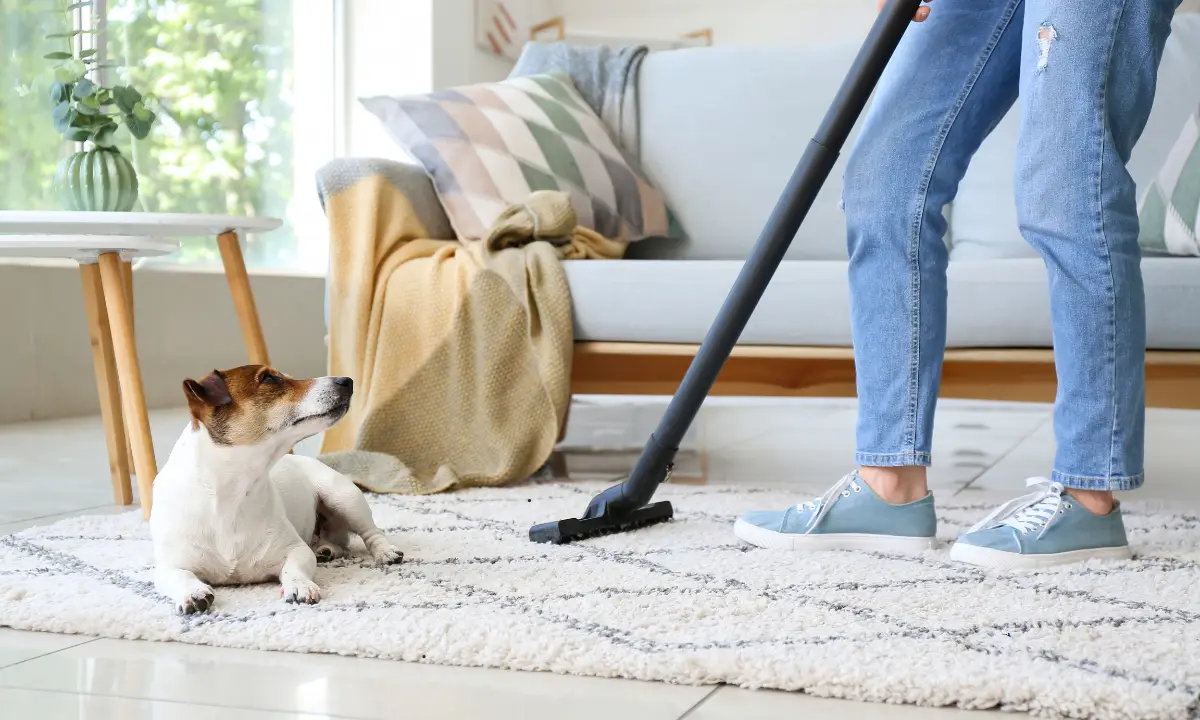
Pet hair is one of the most persistent challenges every pet owner faces, especially if you live in a household with shedding dogs or cats. While pets bring joy and companionship, their fur often leaves an unwanted trail all over your home, including furniture, carpets, and clothing. In addition to being unsightly, pet hair can trigger allergies, irritate skin, and even affect indoor air quality. But fret not, with the right approach and cleaning techniques, you can reduce the amount of pet hair in your home and create a cleaner, healthier living environment for both you and your furry friend.
In this guide, we’ll explore effective ways to clean pet hair from various surfaces, provide a rundown of the best tools for the job, and share techniques to prevent hair build-up in the first place. Whether you live in New Jersey or anywhere else, these solutions are tailored to ensure your home remains fur-free and your pet’s presence is always a pleasure.
What Makes Pet Hair So Hard to Clean?
Pet hair is notoriously difficult to clean because of its unique structure and the way it interacts with different surfaces. Unlike human hair, which tends to fall out in straight strands, pet hair is often much finer and coarser, and its tips can catch onto fabrics and fibers. Additionally, pet hair tends to tangle easily and embed itself deep into carpets, upholstery, and other soft materials.
When pets shed, they release tiny dander particles along with the hair, which further complicates cleaning. Pet dander can remain airborne for hours, settling onto surfaces or being inhaled, which is why it’s crucial to clean up regularly and thoroughly. For New Jersey residents, the frequent weather changes and humidity can also affect pets’ shedding patterns, making it even more important to address pet hair consistently.
Common Types of Pet Hair (Dog, Cat, and Other Pets)
Pet hair types vary depending on the species, breed, and individual animal. Short-haired pets (like Beagles and Dachshunds) tend to shed more frequently, but their hair is easier to clean due to its shorter length. On the other hand, long-haired pets (like Persians or Golden Retrievers) shed less often but leave larger, more noticeable fur clumps that are more difficult to remove from fabrics and flooring.
In New Jersey, you may also encounter a combination of pet types, each contributing to the overall hair problem. For instance, while dogs might leave more visible fur in your yard or on furniture, cats’ fine, sticky hairs can find their way into your clothing and bedding, which are more challenging to clean.
The Best Tools for Cleaning Pet Hair
Having the right tools for cleaning pet hair can make a world of difference. Here are some of the most effective cleaning tools to help you battle pet fur:
Vacuum Cleaners
Vacuuming is one of the most effective ways to remove pet hair from floors, upholstery, and even your car. For the best results, look for a vacuum cleaner designed specifically for pet hair removal. These vacuums come with powerful suction, specialized pet hair attachments, and HEPA filters to trap pet dander and prevent it from circulating back into the air.
Pet Hair Remover Brushes
These brushes are designed to remove pet hair from a variety of surfaces. They typically have rubber bristles that grab onto hair and make it easier to lift it away from fabric. You can use these brushes on furniture, clothing, and even in your car to quickly remove pet fur. They are lightweight, portable, and a must-have in any pet owner’s cleaning toolkit.
Upholstery & Mattress Cleaning Tools
For cleaning upholstery and mattresses, specialized cleaning tools like upholstery brushes and handheld steamers are very effective. They allow you to reach into fabric fibers and deep clean without damaging the material. If you have pets that like to sleep on your bed, these tools are crucial for keeping your bedding hair-free and fresh.
Pet Hair Removal Gloves
These gloves are designed with rubber tips to help remove hair from clothing and furniture while you pet your animal. Simply wear the gloves and rub your hands over the areas covered in fur the hair will stick to the gloves, making it easy to dispose of. Many pet owners in New Jersey prefer these gloves as they can be used while cuddling or grooming their pets, saving time and effort.
Squeegees and Lint Rollers
Lint rollers are a quick and effective way to pick up pet hair from clothing, curtains, and furniture. Simply roll the sticky sheets over the fabric to remove hair. For stubborn hair, a rubber squeegee can be an excellent tool to gather hair from upholstery and carpets, especially for long-haired pets.
How to Clean Pet Hair from Different Surfaces

Carpet & Rugs
Carpets are notorious for trapping pet hair, especially in high-traffic areas like hallways and living rooms. For carpets, start by using a vacuum cleaner designed for pet hair removal. Look for vacuums that feature motorized brushes or roller brushes to lift hair from deep within the fibers. Additionally, rubber brooms and squeegees can be used to gather pet hair from larger carpeted areas before vacuuming.
Pro Tip: After vacuuming, sprinkle a small amount of baking soda on the carpet and let it sit for 15-20 minutes. This will help loosen the pet hair and neutralize odors, leaving your carpet clean and fresh.
Furniture and Upholstery
Furniture and upholstery can be a breeding ground for pet hair, especially in areas where your pets like to sleep. Use an upholstery brush or a vacuum with a brush nozzle to remove hair from your sofas, chairs, and other soft furnishings. For delicate fabrics, use a lint roller or a damp cloth to gently wipe away the hair.
If your furniture is made of leather or other non-fabric materials, use a dampened microfiber cloth or pet hair removal gloves to wipe down surfaces. Rubber gloves are particularly effective on leather, as they attract and remove hair without damaging the material.
Clothing & Bedding
Pet hair on clothing can be a major inconvenience, especially if it’s caught in the fabric of your favorite outfits. To remove pet hair from clothes, start by using a lint roller or sticky tape to quickly pick up hair. If the hair is stubborn, toss your clothes into the dryer on a low-heat cycle with a dryer sheet, which will help loosen the hair.
For bedding, wash your sheets and comforters regularly and add a fabric softener to the wash to help reduce static cling, making it easier to remove pet hair. Dryer balls can also help lift hair from bedding during the drying process.
Hard Floors and Tiles
Pet hair on hard floors can be swept up easily using a hard-floor vacuum or squeegee. These tools help gather hair into a pile, making it easier to dispose of. Microfiber mops are particularly effective at picking up pet hair on tile or hardwood floors, as they attract and hold onto hair without pushing it around.
Top Techniques for Removing Pet Hair
Using Wet Cloths and Rubber Gloves for Pet Hair Removal
One of the most effective and budget-friendly techniques for removing pet hair from furniture, bedding, and clothing is using a dampened microfiber cloth or rubber gloves. These tools attract pet hair due to static electricity, making them perfect for quick clean-ups.
For best results, slightly dampen the microfiber cloth and gently wipe it over surfaces like your couch or blankets. The dampness will help the fibers pick up the hair more effectively, without pushing it around. Similarly, when using rubber gloves, simply put them on and run your hands over the surface; the hair will stick to the rubber and can be easily wiped off. This method is great for quick touch-ups and works particularly well on fabric surfaces.
The Magic of Fabric Softener for Easier Removal
Fabric softener isn’t just useful in the laundry it can be a powerful tool in the battle against pet hair. Fabric softener sheets or liquid fabric softener can help loosen pet hair from fabrics, making it easier to remove.
For clothes, you can rub a fabric softener sheet directly on the fabric before washing. This not only reduces static cling but also helps loosen hair from the fibers. For furniture and upholstery, you can lightly spray a diluted solution of fabric softener and water on the fabric, wait a few minutes, and then use a vacuum or lint roller to remove the hair. This technique works especially well for stubborn pet hair embedded in soft materials.
How to Tackle Stubborn Pet Hair with Baking Soda
Baking soda is a versatile household item that can help with more than just cleaning spills or deodorizing. When it comes to pet hair, baking soda works as an excellent agent for loosening fur from surfaces and fabrics. Its mildly abrasive texture helps break down the static bond between the hair and the fabric, making it easier to lift.
To use this method, simply sprinkle baking soda on your carpet, upholstery, or pet bedding. Let it sit for about 15-20 minutes, allowing the baking soda to absorb odors and loosen pet hair. Afterward, vacuum the area as usual, and you’ll notice a significant reduction in pet hair. Baking soda also neutralizes odors, leaving your home smelling fresh.
How to Prevent Pet Hair Build-Up
Best Practices for Regular Grooming
Preventing pet hair build-up in the first place is far easier than constantly cleaning up after it. Regular grooming plays a huge role in controlling shedding and maintaining a cleaner home. For pets with longer coats, daily brushing can help minimize the amount of hair they shed.
- Brush your pet regularly: Use an appropriate brush for your pet’s coat type (e.g., slicker brushes for long-haired pets and bristle brushes for short-haired ones). Regular grooming reduces the amount of fur your pet sheds, keeping your home cleaner.
- Trim your pet’s hair: Regularly trimming your pet’s coat, especially during peak shedding seasons, can reduce the amount of fur that ends up around your home.
- Use professional grooming services: If grooming your pet yourself seems overwhelming, consider booking an appointment with a local pet groomer in New Jersey who can manage your pet’s coat properly, especially during peak shedding periods.
For New Jersey pet owners, particularly those with outdoor pets or pets with thick coats, regular grooming is essential to keeping the fur under control, especially in the warmer months.
Pet Hair Prevention in Your Home
While regular grooming helps with pet hair control, there are other steps you can take to prevent pet hair from accumulating in your home.
- Create pet-free zones: Set aside specific areas of your home, such as bedrooms or your office, where pets are not allowed. This helps reduce the amount of hair that accumulates in these spaces.
- Use washable pet covers: Consider investing in washable slipcovers or blankets for your furniture. These can be easily removed and cleaned, providing a simple way to manage pet hair.
- Install an air purifier: Pet hair and dander can become airborne, which is why an air purifier with a HEPA filter is a great investment. It helps trap pet hair and dander, improving indoor air quality and reducing allergens in your home.
These steps not only help with cleaning but also contribute to a healthier environment by preventing excessive hair from spreading throughout your home. Consistency is the only way to stay ahead of a heavy shedder; following a structured home cleaning checklist ensures that high-traffic ‘fur zones’ like baseboards and under-furniture gaps aren’t overlooked during your weekly routine.”
6. Dealing with Pet Hair on Your HVAC System
How Pet Hair Affects Your Air Conditioning & Heating System
Pet hair doesn’t just stay on your furniture and floors it can also make its way into your HVAC system. As air circulates throughout your home, pet hair can get trapped in your air ducts, making the system work harder and potentially lowering the air quality. Over time, this buildup can lead to clogged filters and less efficient heating and cooling.
If you notice that your system is struggling to regulate the temperature, or if you’re experiencing an increase in dust and allergens, pet hair could be a contributing factor. It’s essential to clean your HVAC system regularly to avoid these issues.
Cleaning Air Ducts and Vents with Pet Hair
To prevent pet hair from building up in your air ducts, be sure to change your air filters regularly, ideally every 1-3 months. Filters designed for pet owners, such as HEPA filters, can capture pet hair and dander more effectively.
If pet hair has already built up in your air ducts, it may be time to consider hiring a professional air duct cleaning service. These experts have the right tools and equipment to thoroughly clean the ducts and remove pet hair and dander without damaging the system. For New Jersey homeowners, this is a great way to maintain clean, healthy air in your home, especially if you have multiple pets or live in a home with HVAC systems that run year-round.
FAQs: Common Questions About Pet Hair Cleaning
How often should I clean pet hair from my home?
The frequency of cleaning pet hair depends on the number and type of pets you have. If you have a shedding breed, consider vacuuming and brushing daily or at least every other day. For homes with multiple pets, a more frequent cleaning schedule is recommended.
What’s the best vacuum cleaner for pet hair?
For New Jersey pet owners, some of the best vacuum cleaners for pet hair removal include models from Dyson, Shark, and Bissell. Look for vacuums with strong suction, specialized attachments, and HEPA filters to capture pet dander.
Can I remove pet hair from my car seats?
Yes! You can remove pet hair from car seats by using a vacuum with a brush nozzle or a pet hair remover brush. For stubborn hair, you can use rubber gloves or a squeegee to lift the fur from the fabric.
Does pet hair ever stop shedding?
No, pet hair will never stop shedding entirely, but regular grooming can reduce the amount of hair your pet sheds. Long-haired pets tend to shed more than short-haired ones, but shedding patterns vary based on breed, environment, and season.
Are there any natural ways to reduce pet hair at home?
Yes, regular grooming is one of the best natural methods to reduce pet hair. Additionally, using natural remedies such as essential oils like lavender and eucalyptus can help minimize shedding and dander. Air purifiers and microfiber cleaning cloths are also helpful for reducing pet hair.
Conclusion: A Pet-Hair-Free Home Is Possible
With the right approach, cleaning pet hair doesn’t have to be a constant struggle. Regular grooming, investing in the right tools, and implementing smart cleaning practices can make all the difference. If you’re struggling to keep your home clean and hair-free, don’t hesitate to contact RMS Cleaning for professional cleaning services tailored to your needs. Our team is ready to help New Jersey residents maintain a pet-hair-free environment, so you can enjoy your pets without the mess.