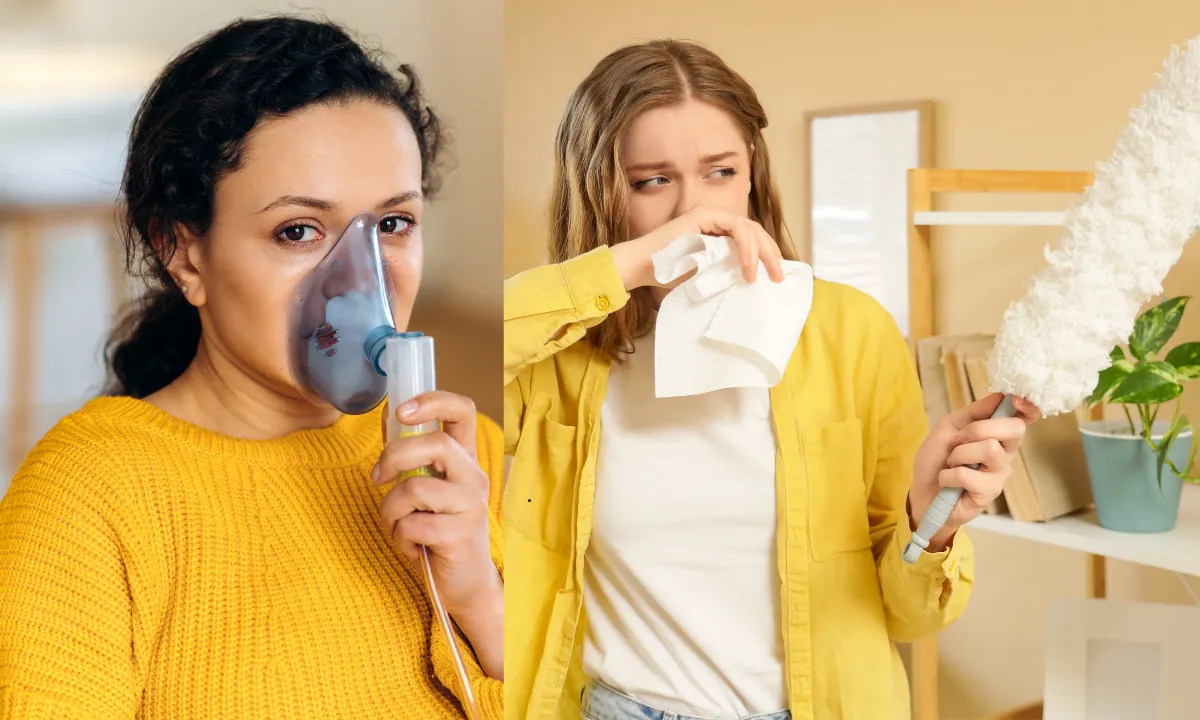
If you live in New Jersey, you know that keeping a home clean is a constant battle against pollen, humidity, and city dust. For someone with asthma, this isn’t just about making the house look nice for guests; it is about being able to breathe without a struggle. Many people think that as long as a room looks tidy, it is safe, but asthma triggers like dust mites and mold are often invisible. This guide will show you exactly how to set up a cleaning routine that actually removes these triggers from your home so you can stop worrying about your next flare-up. By following a specific schedule, you can turn your living space into a true safe zone where your lungs can finally rest.
Quick Answer
To manage asthma symptoms effectively, you need a two-part strategy: light cleaning every day and a deep clean every week. Daily tasks should focus on wiping down kitchen and bathroom counters to stop mold and clearing away clutter where dust hides. Your weekly routine must include vacuuming all floors with a HEPA-certified vacuum and washing all bed sheets in hot water (130°F) to kill dust mites. In New Jersey homes, where humidity can be high, checking for mold every 24 to 48 hours is vital for keeping the air safe.
Why Cleaning Often Matters: The Science of Asthma Triggers
It only takes about two days for a clean surface to become a breeding ground for asthma triggers. Dust mites, which are tiny bugs that live in house dust, eat the dead skin cells we naturally shed every day. They multiply fast, and their waste is one of the biggest causes of asthma attacks. Similarly, pet hair and dander don’t stay on the floor; they float in the air and land on every surface. If you wait longer than 48 hours to do a quick wipe-down, these allergens build up to a level that can easily irritate your airways, even if you are staying indoors.
How Your Lungs React
When you breathe in things like pollen, dust, or pet dander, your body sees them as a threat. For someone with asthma, the tubes in the lungs (bronchial tubes) get swollen and narrow. This makes it feel like you are breathing through a tiny straw. This tight chest feeling often comes with coughing or wheezing. The goal of a strict cleaning schedule is to keep the trigger load in your air so low that your body doesn’t feel the need to react, helping you stay off your rescue inhaler and breathe more naturally.
The Clean House Paradox
One of the biggest mistakes New Jersey homeowners make is thinking that a strong chemical smell means a room is safe. If you walk into a room and smell heavy bleach, ammonia, or fake lemon scents, your asthma might actually get worse. These strong smells are often just as bad as the dust you are trying to remove. A clean house for an asthmatic should actually have no smell at all. If you are covering up dust with scented sprays, you are simply trading one trigger for another, which can lead to a sudden and severe asthma attack.
What are VOCs?
VOC stands for Volatile Organic Compounds. These are invisible gases that come out of many common cleaning liquids, paints, and even new carpets. Because these gases stay in the air for hours or even days, they can cause constant irritation to your throat and lungs. When you choose cleaning products, you want to look for things that are VOC-free. At RMS Cleaning, we understand this risk, which is why we only use eco-friendly, non-toxic products that don’t leave these harmful gases behind in your New Jersey home.
| Trigger | Where It Hides | How Fast It Builds Up |
| Dust Mites | Bedding, Carpets, Curtains | 24–72 Hours |
| Mold Spores | Bathrooms, Under Sinks | 24–48 Hours |
| Pet Dander | Furniture, Air Vents | Constant |
| VOCs | Scented Sprays, Bleach | Immediate |
The Essential Asthma Cleaning Schedule: Daily, Weekly, and Monthly
You don’t need to spend hours cleaning every day, but a few small habits make a huge difference. Every night, take a damp cloth and wipe down the wet areas of your home, like the kitchen counters and the bathroom sink. Mold loves the damp New Jersey air, and it only needs a little moisture to start growing. Also, make it a rule to leave shoes at the front door. This stops outdoor triggers like grass pollen and street dust from being tracked into your living room and onto your rugs.
Weekly Deep Cleans
The weekend is the best time to tackle the bigger tasks that keep your symptoms in check. Your top priority is the laundry. All bed sheets, pillowcases, and blankets must go into the wash on a hot cycle. Water that is at least 130°F is the only way to effectively kill dust mites. While the laundry is running, use a vacuum with a HEPA filter on every floor. This type of filter is special because it traps tiny particles instead of spitting them back out into the room. If you find this weekly deep clean too much to handle, a professional service like RMS Cleaning can take over the heavy lifting to ensure your home stays a healthy environment.
Monthly Hidden Spots
Once a month, you need to look at the places that stay out of sight but hold a lot of dust. This includes the tops of ceiling fan blades, the slats of your window blinds, and the area behind your refrigerator. These spots act like dust reservoirs that slowly release allergens into the air every time a breeze goes by. Also, check your air conditioner or heater vents. If they look fuzzy or gray, they are blowing dust directly into your breathing space. Wiping these down once a month keeps the air in your New Jersey home moving cleanly.
The Damp Dusting Rule: Why Your Cleaning Method Matters
Many people in New Jersey grew up using feather dusters or dry rags, but these are actually the worst tools for someone with asthma. When you rub a dry duster across a shelf, you aren’t removing the dust; you are simply launching it into the air. Once those tiny particles are floating, they stay in your breathing zone for hours. This is why many people start sneezing or wheezing immediately after they clean. To keep your air clear, you have to change how you move the dust out of your home.
The Magic of a Damp Cloth
The secret to asthma-safe cleaning is using a damp microfiber cloth. When a cloth is slightly wet, the water creates a bond with the dust particles, trapping them against the fabric so they can’t fly away. Microfiber is especially good because it has tiny hooks that grab onto allergens like pet dander and pollen. After you wipe a surface, you simply rinse the cloth or throw it in the wash. This ensures the triggers are physically removed from your house rather than just moved from the table to the air.
Top-to-Bottom Cleaning
To save time and breathe easier, you must always clean from the ceiling down to the floor. If you vacuum the floor first and then dust the ceiling fan, all that fan dust will land right back on your clean carpet. By starting high, cleaning light fixtures, tops of cabinets, and picture frames first, you allow any stray dust to fall to the floor. Your final step should always be the vacuum or mop, which acts as the cleanup crew for anything that fell during the process.
Floor Care: Choosing the Right Vacuum and Frequency
Whether you have hardwood or tile, dust and dander can settle into the grooves and grout lines; our specialized floor cleaning services use high-suction HEPA technology to extract allergens that standard mopping often leaves behind.
The HEPA Filter Secret
If you have asthma, the most important tool in your closet is a vacuum with a HEPA (High-Efficiency Particulate Air) filter. Standard vacuums often have porous bags or filters that let microscopic dust mites and pollen blow right through the machine and back into the room through the exhaust. A HEPA filter is designed to trap 99.97% of those tiny particles. At RMS Cleaning, we use professional-grade equipment wh these filters to make sure that when we clean a New Jersey office or home, the air comes out cleaner than it went in.
How Often to Vacuum
In a busy New Jersey household, the floors collect a massive amount of track-in dirt every day. For the best asthma control, you should vacuum high-traffic areas like the entryway, hallway, and living room every other day. If you have carpets, this is even more important because the fibers act like a sponge for allergens. For hard floors, a quick damp mop twice a week is usually enough to keep the dust levels low enough for easy breathing.
Hard Floors vs. Carpets
While many people prefer the look of carpet, hard surfaces like wood, tile, or luxury vinyl are much better for asthma. Carpets hold onto moisture and skin cells, which provides a perfect home for dust mites. If you do have carpets, you should consider a professional deep steam cleaning once or twice a year. Just make sure the company uses a high-powered extraction method so the carpet dries quickly; if it stays damp for more than 24 hours, you risk growing mold, which is a major asthma trigger.
| Floor Type | Cleaning Frequency | Best Tool |
| Wall-to-Wall Carpet | 3–4 times per week | HEPA Vacuum |
| Hardwood / Laminate | 2 times per week | Damp Mop / Microfiber |
| Area Rugs | Weekly | Shake outside / Vacuum |
| Tile (Bathroom/Kitchen) | Daily wipe / Weekly mop | Steam Mop / Scrub brush |
The Bedroom: Making Your Sleeping Area an Asthma-Safe Zone
You spend about one-third of your life in your bedroom, making it the most important room to keep clean. Because you are breathing close to your pillow all night, dust mites in your bedding can cause morning stuffiness and chest tightness. Aside from washing your sheets weekly in 130°F water, you should also wash your pillows and heavy blankets at least once a month. If your pillows are older than two years, it might be time to replace them, as they can double in weight over time just from dust mite buildup.
Allergen Covers
One of the most effective things you can do for your health is to put allergen-impermeable covers on your mattress, box spring, and all pillows. these covers have a weave so tight that dust mites cannot get through them. It essentially traps the mites inside where they can’t bother you and prevents new ones from moving in. This creates a barrier between you and the triggers, allowing your lungs to recover while you sleep.
Bathroom and Kitchen: Stopping Mold and Pests
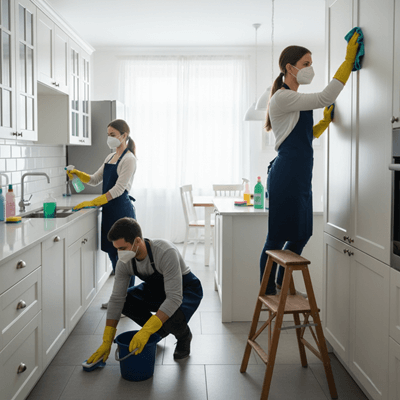
Because mold is a biological trigger that can multiply in 24 hours, utilizing professional residential disinfecting services can provide a medical-grade reset for your bathroom and kitchen surfaces using asthma-safe, non-toxic solutions.
Moisture Control
Mold is a living organism that releases spores into the air, which are highly irritating to asthmatic lungs. In the humid New Jersey climate, bathrooms are the #1 spot for mold growth. To stop it, you must control the moisture. Always run your bathroom exhaust fan during your shower and for at least 20 minutes afterward. If you don’t have a fan, crack a window. Wiping down the shower walls with a squeegee or a dry towel after use takes away the water that mold needs to survive.
The Kitchen Sink & Trash
It isn’t just dust and mold that trigger asthma; pests like cockroaches are a major problem, especially in urban areas of New Jersey. Cockroach droppings and old shells contain proteins that cause severe asthma attacks. To keep them out, you must be strict about food. Never leave dirty dishes in the sink overnight, wipe up every crumb on the counter, and use a trash can with a tight-fitting lid. A clean kitchen is your best defense against these biological triggers.
Shower Curtains and Mats
Plastic shower curtains and fabric bath mats are often overlooked, but they can hold a lot of mold and mildew. Fabric mats should be washed in hot water once a week along with your towels. For shower liners, look for mold-resistant versions, or simply toss your plastic liner in the washing machine with a little vinegar once a month to kill any buildup. Keeping these items fresh ensures that the musty smell of mold never takes over your bathroom.
3 Common Cleaning Mistakes That Trigger Asthma Attacks
Here are the most common cleaning mistakes homeowners make during daily and weekly cleaning routines.
Mistake #1: Using Aerosol Sprays
Aerosol cans are designed to turn liquid into a very fine mist that stays airborne for a long time. While this is great for air fresheners or hairsprays, it is terrible for asthma. Those tiny droplets go deep into your lungs and stay there, causing irritation and swelling. If you need to use a spray, switch to a trigger spray bottle that shoots a heavier stream of liquid, or better yet, use a pour-top bottle and apply the cleaner directly to your rag.
Mistake #2: Forgetting the Air Vents
Your heating and cooling system is the lungs of your New Jersey home. If the vents are covered in gray fuzz, the system is just blowing old dust and mold spores from room to room every time the fan kicks on. Most people forget to change their air filters, but for an asthmatic, this should happen every 60 to 90 days. Using a high-quality pleated filter can help trap even more dust before it ever reaches your living room, making your daily cleaning much easier.
Mistake #3: Cleaning While You are Home Alone
The act of cleaning, even if you are careful, always stirs up some amount of dust. If you have severe asthma, the worst time to be in a room is while it is being cleaned. If possible, have a family member do the heavy dusting and vacuuming while you are in another part of the house or outside. If you live alone and don’t have help, this is where a professional service like RMS Cleaning becomes a medical asset. We can handle the deep cleaning while you stay safe and comfortable elsewhere.
Frequently Asked Questions
How often should I wash my curtains?
Curtains are huge dust traps. You should aim to wash them or have them steam cleaned every 3 to 6 months. If you find they get dusty too fast, switching to simple roller shades or wooden blinds that are easy to wipe down is a better choice for asthma.
Can a dirty AC unit cause asthma?
Yes. A dirty unit can grow mold on the coils or trap old dust in the vents. When the air blows over these triggers, it carries them directly into your lungs. Regular maintenance is a must for staying healthy.
Is steam cleaning carpets safe for asthma?
It is safe as long as the carpet dries completely within 24 hours. If the carpet stays damp for too long, it can grow mold underneath the padding, which is a very dangerous trigger. Always use a high-powered machine that sucks up as much water as possible.
Final Checklist: A Breathe-Easy Home in 4 Steps
- Daily: Wipe down the kitchen and bathroom to stop mold; leave shoes at the door.
- Weekly: Wash all bedding in 130°F water and vacuum every floor with a HEPA filter.
- Method: Always use a damp cloth to trap dust and clean from the top of the room to the bottom.
- Products: Stick to unscented and non-toxic cleaners to avoid lung irritation.
If keeping up with this strict schedule feels like too much work, or if cleaning makes your symptoms flare up, we are here to help. At RMS Cleaning, we serve homes and businesses across New Jersey with professional, asthma-friendly cleaning that focuses on your health and comfort. Contact us today for a free quote and let us help you turn your home into a space where you can breathe easy again.