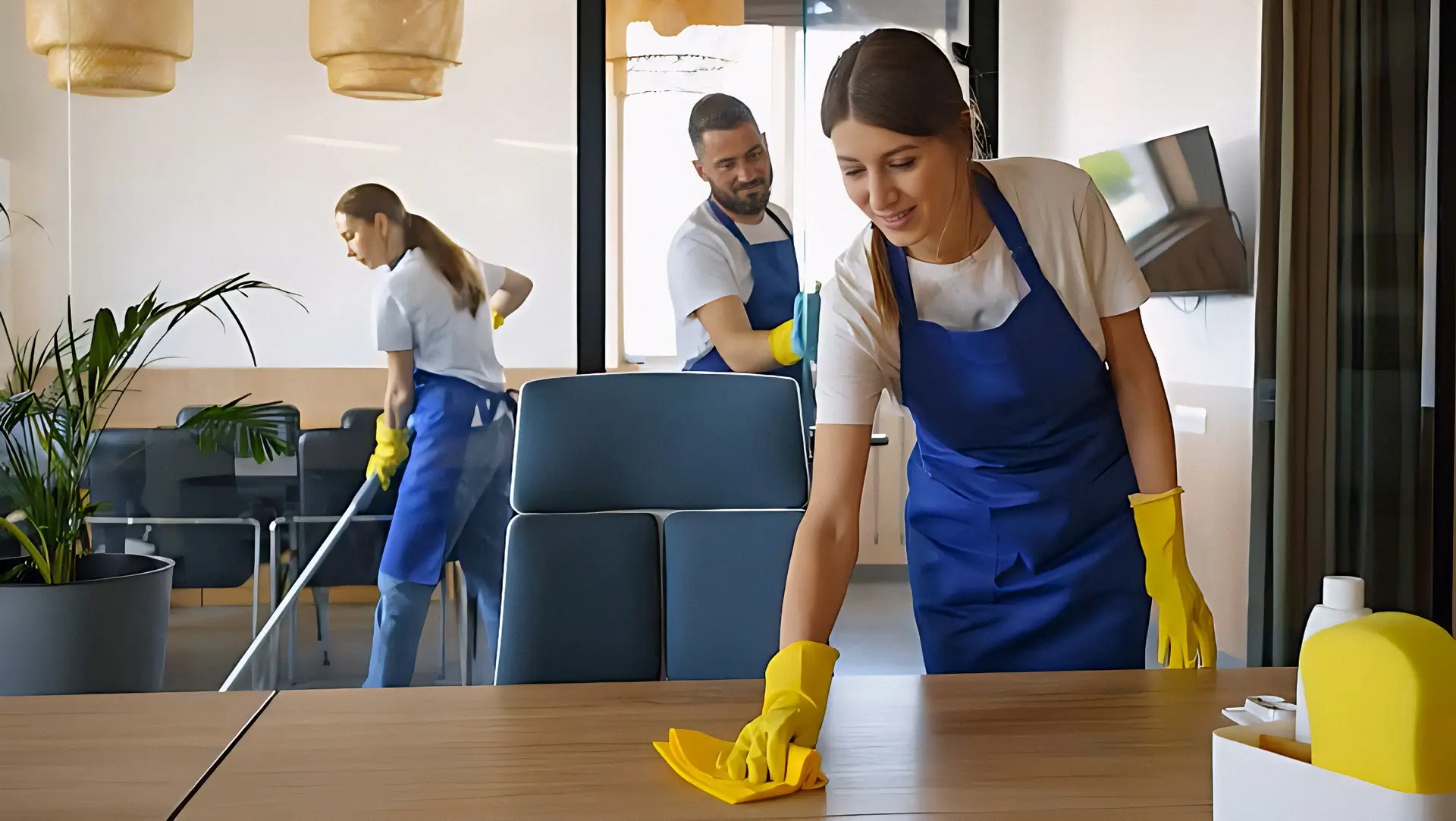
.Your living room is the center of your home. It is where your family relaxes, guests gather, and daily life happens. But because it is used so often, it collects dust, dirt, pet hair, and clutter faster than any other room. Many homeowners in New Jersey try to clean regularly, yet still notice dust on surfaces, dull furniture, and carpets that never feel fully clean. This happens because cleaning without a proper system leaves important areas untouched. A structured living room cleaning checklist solves this problem. It ensures every surface, corner, and furniture piece is cleaned properly and consistently. Professional companies like RMS Cleaning follow detailed checklists to deliver reliable and thorough cleaning results. With the right checklist, you can maintain a healthier, fresher, and more comfortable living room every day.
What Is a Living Room Cleaning Checklist and Why It Matters
A living room cleaning checklist is a structured guide that helps you clean your living room step by step. Instead of guessing what to clean, the checklist gives a clear plan that ensures nothing is missed. Many homeowners clean visible areas like tables and floors but forget hidden places such as baseboards, upholstery, and high surfaces. Over time, dust builds up in these areas and affects both cleanliness and air quality.
Using a checklist brings consistency to your cleaning routine. It helps you divide tasks into daily, weekly, and deeper cleaning schedules so the work never becomes overwhelming. This approach also protects your furniture, flooring, and décor. Dust and dirt may seem harmless, but they slowly damage surfaces, weaken fabric fibers, and reduce the lifespan of carpets and sofas.
For homeowners in New Jersey, where seasonal weather brings pollen, moisture, and outdoor debris into homes, a proper cleaning checklist becomes even more important. It helps control allergens and keeps your indoor environment healthy.
Why the Living Room Gets Dirtier Faster Than Other Rooms
The living room experiences more foot traffic and activity than most other areas in the home. Family members walk in and out, pets rest on furniture, and everyday activities like eating, watching TV, and entertaining guests happen there. Every time someone enters from outside, they bring small particles of dust, dirt, and allergens.
Dust also settles naturally from the air onto surfaces such as shelves, electronics, and furniture. Fabric surfaces like sofas and carpets trap dust deep inside their fibers. Without regular cleaning, this buildup continues and becomes harder to remove.
Homes in busy areas of New Jersey, especially near roads or urban environments, may experience faster dust accumulation due to outdoor pollution and traffic particles entering the home.
Health Risks of Dust and Allergen Buildup
Dust contains more than just dirt. It includes microscopic particles such as skin cells, pollen, pet dander, and bacteria. These particles affect indoor air quality and may cause discomfort for residents.
Poorly maintained living rooms can contribute to:
- Allergy symptoms such as sneezing and itchy eyes
- Breathing discomfort
- Increased asthma triggers
- Unpleasant odors
Regular cleaning using a proper checklist helps remove these harmful particles and improves indoor air quality. This creates a safer and healthier space for your family.
How Professional Cleaners Use Checklists for Consistent Results
Professional cleaning companies rely on detailed checklists to maintain high cleaning standards. Instead of cleaning randomly, they follow a proven system that ensures every surface and hidden area is cleaned properly. This includes areas homeowners often overlook, such as under furniture, upholstery seams, baseboards, and high surfaces.
Companies like RMS Cleaning use structured cleaning methods to deliver consistent results across homes in New Jersey. Their checklist-based approach ensures deeper cleaning, better hygiene, and longer-lasting cleanliness.
Essential Cleaning Supplies for an Effective Living Room Cleaning Checklist
Having the right cleaning supplies makes a major difference in cleaning quality and efficiency. Using the wrong tools may spread dust rather than remove it, while proper tools help capture dirt and protect surfaces.
Microfiber cloths are among the most effective tools because they trap dust rather than push it around. They are safe for furniture, electronics, and delicate surfaces. A vacuum cleaner is another essential tool, especially one with attachments that can reach corners, upholstery, and tight spaces.
Using the correct cleaning products is equally important. Glass cleaners help remove fingerprints and smudges from mirrors and windows. Wood-safe cleaners protect furniture and maintain its finish. Disinfectant products help eliminate bacteria from frequently touched areas like remotes and switches.
Professional cleaners often use advanced equipment such as HEPA vacuum cleaners and steam cleaners. These tools remove deeper dust and allergens that regular cleaning tools cannot fully eliminate. This is one reason why professional cleaning services provide more thorough results. Keeping cleaning supplies organized and easily accessible makes it easier to maintain a regular cleaning routine.
Daily Living Room Cleaning Checklist (5–10 Minute Maintenance Routine)
Daily cleaning focuses on maintaining order and preventing dirt from building up. These small tasks require very little time but help keep the living room consistently clean.
Remove Trash and Unnecessary Items
One of the fastest ways to improve the appearance of your living room is by removing trash and items that do not belong there. Cups, food wrappers, papers, and other items often collect on tables and surfaces. Removing them daily keeps the room clean and organized. This simple habit also prevents bacterial growth and unpleasant odors.
Restore Furniture and Seating Areas
Sofas and chairs quickly lose their neat appearance after daily use. Cushions become uneven, and blankets are left unfolded. Taking a moment to straighten cushions and fold blankets restores the room’s organized appearance. This also helps furniture maintain its shape and condition over time.
Wipe Frequently Used Surfaces
Surfaces like coffee tables, side tables, and TV stands collect dust and fingerprints daily. Wiping them with a microfiber cloth removes dirt and helps maintain cleanliness. Regular surface cleaning also prevents dust from spreading to other areas. Electronics such as remote controls should also be wiped regularly, as they are touched frequently.
Keep Floors Clear of Clutter
Items left on the floor make the room look messy and make deeper cleaning more difficult. Removing books, toys, shoes, or cables from the floor keeps the space organized and safe. A deep clean floor also allows proper vacuuming and prevents dirt from spreading.
Perform a Quick Floor Cleaning
High-traffic areas collect dust and debris quickly. A quick vacuum or sweep removes visible dirt and prevents buildup. This step is especially important in homes with pets or children. Regular floor maintenance improves overall cleanliness and helps maintain healthier indoor air.
Weekly Living Room Cleaning Checklist (Core Cleaning Tasks)
Weekly cleaning removes deeper dust and dirt that daily cleaning cannot address. This level of cleaning helps maintain hygiene and protects your furniture and flooring.
Dust All Surfaces Thoroughly
Dust settles on surfaces throughout the week, including shelves, décor, lamps, and electronics. Removing dust regularly prevents buildup and keeps your living room looking clean. Dusting should always start from higher areas and move downward so falling dust can be cleaned later.
Clean High-Touch Areas to Maintain Hygiene
Certain surfaces are touched frequently and collect bacteria quickly. These include light switches, remote controls, and door handles. Cleaning these areas regularly improves hygiene and reduces the spread of germs. This step is especially important for homes with children and frequent visitors.
Vacuum Carpets and Upholstery
Carpets and sofas trap dust, dirt, and pet hair deep inside their fibers. Weekly vacuuming removes these particles and improves air quality. Upholstery should also be vacuumed to prevent dust buildup. Regular vacuuming helps carpets last longer and maintains their appearance.
Clean Glass and Reflective Surfaces
Mirrors, windows, and glass surfaces collect fingerprints and dust. Cleaning them weekly helps maintain clarity and improves the room’s overall appearance. Clean glass also allows more natural light to enter the room, making it feel brighter and fresher.
Monthly Living Room Cleaning Checklist (Prevent Dust and Wear Buildup)
Monthly cleaning focuses on areas that do not require daily attention but still collect dust and dirt gradually. These tasks help prevent long-term buildup and protect your furniture and home surfaces.
Clean Ceiling Fans, Corners, and Remove Cobwebs
Ceiling fans collect dust quickly, especially on the top of the blades. Every time the fan runs, it spreads dust into the air and onto furniture and floors. Cleaning ceiling fans monthly prevents dust from circulating throughout the room.
Corners and ceiling edges also collect cobwebs over time. These areas are often missed during routine cleaning. Removing cobwebs improves the room’s appearance and prevents dust accumulation.
Dust Baseboards, Walls, and Hidden Edges
Baseboards and wall edges collect dust and dirt slowly. Because these areas are close to the floor, they often trap dust from foot traffic. Cleaning baseboards monthly improves the overall cleanliness of the living room and prevents discoloration.
Walls may also collect dust, especially near vents, windows, and furniture. Light dusting keeps walls clean and helps maintain the room’s appearance.
Deep Clean Upholstery and Fabric Furniture
Sofas, chairs, and cushions absorb dust, body oils, and allergens. Even if they look clean on the surface, dust may be trapped deep inside. Monthly vacuuming of upholstery removes hidden dirt and improves indoor air quality. This is especially important in homes with pets, as pet hair and dander settle deep into fabric surfaces.
Clean Window Areas, Blinds, and Curtains
Windows, blinds, and curtains collect dust from both indoor and outdoor air. Blinds should be wiped carefully to remove dust buildup. Curtains should be vacuumed or washed depending on their material. Clean windows improve natural light and make the living room feel brighter and fresher.
Polish and Protect Wood Furniture
Wood furniture requires regular care to maintain its finish. Dust and dry air can cause wood to lose its shine over time. Using a proper wood cleaner or polish restores the surface and protects it from damage. Monthly furniture care helps preserve the value and appearance of your living room furniture.
Seasonal Deep Living Room Cleaning Checklist
Seasonal cleaning focuses on deep cleaning tasks that remove embedded dirt, stains, and allergens. This level of cleaning is usually done every 3 to 6 months and provides a complete refresh for your living room.
Deep Clean Carpets and Area Rugs
Carpets and rugs trap large amounts of dust, allergens, and dirt deep within their fibers. Regular vacuuming removes surface dirt, but deeper cleaning is needed to fully restore carpets.
Deep carpet cleaning removes:
- Embedded dirt
- Pet hair and dander
- Stains and odors
- Allergens
This improves air quality and restores the carpet’s original appearance.
Deep Clean Upholstery, Cushions, and Fabric Surfaces
Fabric furniture absorbs dust and odors over time. Seasonal deep cleaning removes stains and refreshes upholstery. This improves comfort and extends the life of your furniture. Professional upholstery cleaning also removes bacteria and allergens that regular vacuuming cannot eliminate.
Wash Curtains, Covers, and Removable Fabrics
Curtains, cushion covers, and blankets collect dust and odors. Washing these items helps restore freshness and improve cleanliness. Clean fabric surfaces also help improve indoor air quality. This step is especially helpful during seasonal changes in New Jersey, when pollen and outdoor allergens increase.
Clean Windows Thoroughly Including Frames and Tracks
Window frames and tracks collect dust, dirt, and debris. Cleaning these areas improves window function and overall cleanliness. Clean windows also improve light entry and make the room feel more open.
Clean Under and Behind Heavy Furniture
Dust collects under sofas, tables, and entertainment units. These hidden areas are often missed during routine cleaning. Moving furniture occasionally allows you to clean these areas properly and remove trapped dust. This step significantly improves overall cleanliness.
Step-by-Step Professional Living Room Cleaning Process (Expert Workflow)
Professional cleaners follow a structured system to ensure every area is cleaned properly. This method ensures efficiency and consistent results.
Step 1: Declutter and Prepare the Room
The first step is removing clutter and preparing the space. This makes cleaning easier and ensures all surfaces are accessible. Decluttering also helps identify areas that need deeper cleaning. Put away toys, mail, and shoes. A tidy space reduces stress; so declutter your home without getting overwhelmed.
Step 2: Dust All Surfaces from Top to Bottom
Cleaning always begins at higher surfaces, such as ceiling fans and shelves, and moves downward. This prevents dust from falling onto already cleaned areas.
This method ensures efficient and complete dust removal.
Step 3: Clean Upholstery and Furniture Surfaces
Furniture is cleaned carefully to remove dust, stains, and allergens. Proper cleaning methods protect fabric and wood surfaces from damage.
This helps maintain furniture condition and comfort.
Step 4: Sanitize High-Touch Areas
High-touch areas such as switches, remotes, and handles are disinfected to remove bacteria. This improves hygiene and creates a healthier environment.
Step 5: Vacuum and Clean Floors Thoroughly
Floors are vacuumed and cleaned to remove dust, dirt, and allergens. Proper floor cleaning improves air quality and overall cleanliness.
Step 6: Final Inspection and Room Reset
The final step ensures every area is clean and properly arranged. Furniture is repositioned, and the room is restored to a neat and comfortable condition.
Professional companies like RMS Cleaning follow this structured process to deliver reliable and high-quality residential cleaning services for homeowners across New Jersey.
Living Room Cleaning Checklist by Surface Type (Complete Coverage Guide)
Different surfaces require different cleaning methods. Cleaning each surface properly prevents damage and ensures better results.
Cleaning Living Room Furniture Safely
Furniture should be cleaned based on its material. Wood furniture requires gentle cleaning and polishing, while fabric furniture needs vacuuming and occasional deep cleaning.
Proper care protects furniture and extends its lifespan.
Cleaning Carpets and Rugs Effectively
Carpets should be vacuumed regularly and deep cleaned periodically. This removes dirt and prevents wear. Clean carpets improve both comfort and hygiene.
Cleaning Hard Floors Properly
Hardwood, tile, and laminate floors require proper cleaning methods to prevent damage. Regular sweeping and mopping help maintain their appearance and durability.
Cleaning Electronics and Screens Safely
Electronics such as TVs and speakers collect dust easily. Cleaning them carefully prevents dust buildup and protects sensitive components.
Cleaning Walls, Baseboards, and Fixtures
Walls and baseboards collect dust over time. Cleaning these areas improves overall cleanliness and keeps the living room looking well-maintained.
Why Professional Living Room Cleaning Can Make a Big Difference
Even with regular cleaning, professional services provide a deeper level of cleanliness. Professionals use advanced equipment and techniques to clean areas that are difficult to handle with normal household tools.
Professional cleaners use high-power vacuums, steam cleaners, and specialized products that remove deep dirt, bacteria, and allergens. These tools clean carpets, sofas, and hard-to-reach areas more effectively. This improves hygiene, air quality, and the overall comfort of your living room.
Hiring a professional service like RMS Cleaning ensures that your living room receives expert care. Professional cleaners follow systematic methods to clean every area properly. This saves time, reduces effort, and delivers better results.
Professional cleaning is especially helpful in situations such as:
- Seasonal deep cleaning
- Preparing for guests or events
- Removing stains and odors
- Maintaining a healthy home environment
Even occasional professional cleaning can significantly improve the cleanliness and freshness of your living room.