Running a business in New Jersey comes with its own set of challenges, and one of the critical yet often overlooked aspects is maintaining a clean and healthy workspace. A clean office doesn’t just improve aesthetics; it has a significant impact on employee productivity, health, safety, and even your brand image. With the high standards of cleanliness expected by clients, employees, and inspectors in New Jersey, businesses face a tough decision: should they handle office cleaning in-house or hire a professional cleaning service?
The wrong choice can result in hidden costs, inconsistent results, and operational distractions. This guide will help New Jersey business owners navigate the decision-making process, weighing the advantages and challenges of both in-house and professional office cleaning. We’ll also explore why outsourcing your cleaning needs may be the best investment for long-term business success.
What Is In-House Cleaning?
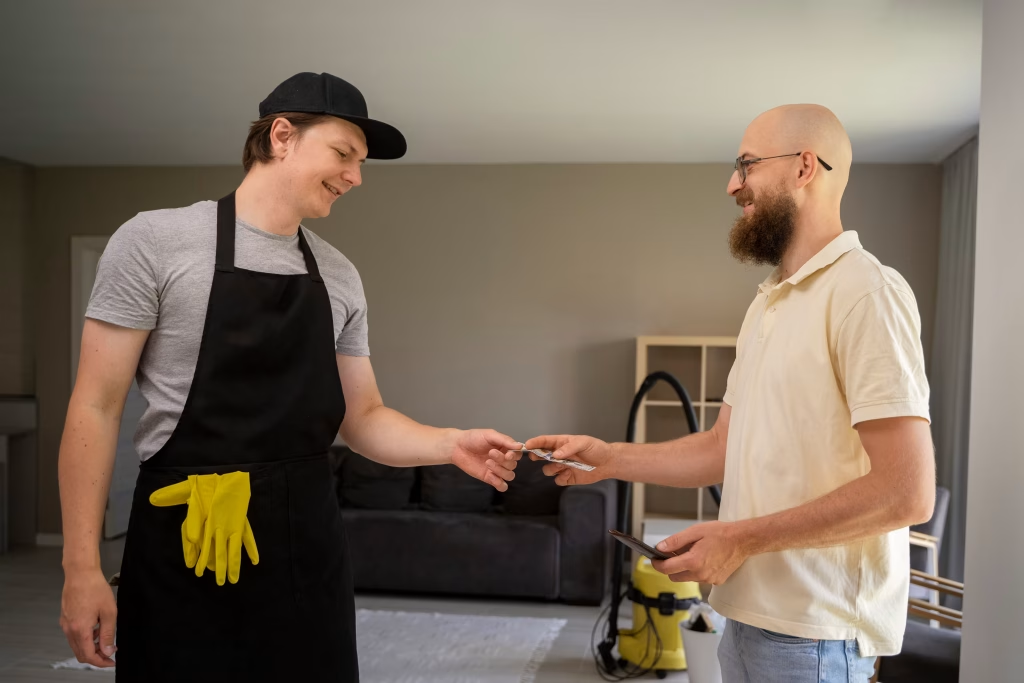
In-house office cleaning means that the cleaning tasks are handled by your internal staff, whether that’s through a dedicated janitor or your current employees taking on cleaning duties. This arrangement can seem convenient, especially for smaller businesses with fewer cleaning needs. You retain full control over scheduling and supervision, which can give you a sense of certainty and oversight.
In-house cleaning might seem manageable at first, particularly if your business is small or has limited foot traffic. However, as your business grows or if your office sees higher volumes of clients, the complexity and frequency of cleaning tasks also increase. New Jersey’s highly competitive commercial environment makes it necessary to maintain high standards, and that means cleanliness can no longer be a minor task on the to-do list.
Advantages of In-House Cleaning
- Direct Oversight:
You have complete control over how cleaning is done and can easily monitor the process. - Flexibility for Small Offices:
For smaller spaces, in-house cleaning may be sufficient to meet basic sanitation needs without the need for external help. - Cost Perception:
At first glance, in-house cleaning seems cheaper because you are only paying salaries without the added overhead costs of contracting a cleaning company.
Challenges of In-House Cleaning
Hidden Costs:
The expenses related to in-house cleaning go beyond just paying the cleaner’s salary. You must account for the costs of cleaning supplies, equipment, and, in some cases, training staff. These costs quickly add up and can be a significant drain on resources.
Liability and Safety Risks:
When you employ in-house cleaning staff, your business becomes responsible for ensuring the safety of employees. Workplace accidents, such as slip-and-fall incidents or chemical exposure, can result in costly workers’ compensation claims or insurance hikes.
Employee Productivity Loss:
Cleaning tasks, even when assigned to a designated staff member, often pull employees away from their core work responsibilities. Supervising cleaning efforts or handling issues that arise with cleanliness also takes up valuable time, reducing overall productivity.
Quality Control:
Maintaining consistent cleaning standards can be a challenge with in-house cleaning. Without a formalized system for inspections, you risk missed areas or inconsistent results, especially as staff turnover increases.
What Professional Office Cleaning Services Offer
How Professional Cleaning Services Work
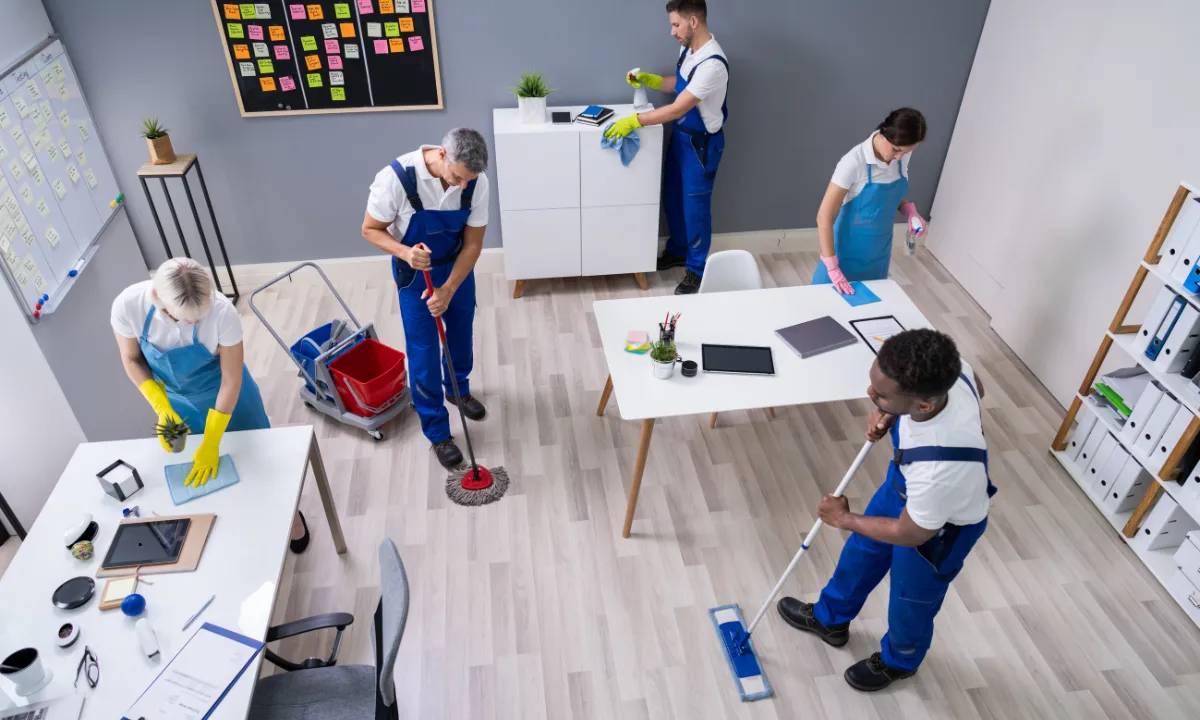
Professional office cleaning involves contracting a commercial cleaning company that specializes in maintaining business environments. Companies such as RMS Cleaning provide structured services based on industry standards, trained staff, commercial-grade equipment, and defined quality control systems.
By outsourcing your cleaning needs, you free up internal resources and reduce the risks associated with in-house cleaning, like injury claims and liability concerns. Professional cleaning companies also offer the expertise needed to handle larger and more complex cleaning tasks, such as deep cleaning carpets or air ducts, that in-house teams may not be trained to do.
Advantages of Professional Cleaning
1. Expertise and Consistency:
Professional cleaners bring specialized knowledge and equipment to the table. They understand the nuances of office cleaning, from proper disinfection procedures to ensuring compliance with health and safety standards.
2. Reduced Liability and Risks:
Liability for cleaning-related accidents or damage to property is shifted from your business to the professional cleaning service. These companies also carry their own insurance, further protecting your company.
3. Access to Specialized Services:
Beyond the typical daily cleaning tasks like vacuuming and trash removal, professional cleaning services offer specialized services, such as:
- Carpet and upholstery cleaning
- Floor waxing and stripping
- High-touch surface disinfection
- Window cleaning
- Post-construction cleaning
4. Customized Cleaning Plans:
Cleaning schedules and tasks can be customized to your business needs, ensuring that high-traffic areas receive more frequent attention while less-utilized spaces are cleaned on a less regular basis.
5. Eco-Friendly Options:
Many professional cleaning companies, including RMS Cleaning, utilize environmentally responsible products, reducing chemical exposure and ensuring better indoor air quality for employees.
Services Beyond Basic Cleaning
Professional cleaning services go far beyond simply sweeping and mopping. Some of the essential services include:
- Carpet Extraction and Stain Removal
- High-Touch Surface Disinfection
- Air Duct Cleaning
These specialized services help maintain the long-term condition of your office and improve overall indoor air quality, which is important for employee health and productivity.
Why Professional Cleaning Is Structured for Business Environments
Professional cleaning companies operate with defined systems. They follow cleaning checklists, use commercial-grade disinfectants, and track service quality. Many providers implement performance audits and offer service guarantees.
Unlike informal internal cleaning setups, professional services are structured to meet commercial standards. This ensures consistency, documentation, and accountability, which is especially important in regulated industries or high-traffic office spaces.
Key Considerations for Choosing In-House vs. Professional Cleaning
Now that we’ve explored the basics of in-house and professional cleaning, it’s essential to evaluate the factors that will help you make the right choice for your business.

1. Office Size and Complexity
Small offices with fewer than 2,000 square feet and low foot traffic may benefit from in-house cleaning, as the costs and responsibilities are manageable. However, for medium to large offices or businesses that experience high traffic, professional cleaning services become essential. Larger spaces or those with specialized areas (like breakrooms, restrooms, or medical offices) require a higher level of cleaning to ensure all areas are properly sanitized.Furthermore, failing to understand the difference between cleaning and disinfecting can lead to higher absenteeism due to the spread of office germs.
2. Cost Analysis
At first glance, in-house cleaning may seem more affordable because you’re only paying for salaries. However, when you factor in hidden costs, like cleaning supplies, equipment, workers’ compensation, and management time, the total cost can quickly exceed the cost of hiring a professional service.
Professional cleaning services may have a higher initial cost but are often more cost-effective in the long term due to:
- Predictable monthly expenses
- Reduced liability and administrative burdens
- Long-term cost savings from fewer employee sick days and better-maintained office furnishings
Risk, Liability, and Legal Considerations
Liability Risks with In-House Cleaning
When businesses handle cleaning internally, the liability risks shift to the company. In-house cleaning teams are exposed to a variety of workplace hazards, such as back strains, slip-and-fall accidents, chemical exposure, and repetitive motion injuries. If any of these injuries occur, your business is responsible for workers’ compensation claims, insurance premiums, and legal consequences.
In New Jersey, workplace safety regulations are strictly enforced, and companies are held accountable for maintaining safe working conditions. If your in-house cleaning team does not follow proper safety procedures, your business could face significant fines or legal trouble. Even minor accidents can result in disruptions, leading to increased insurance premiums and lost productivity.
How Professional Cleaning Services Minimize Legal Risks
One of the key benefits of outsourcing cleaning duties is the transfer of liability. Professional cleaning services like RMS Cleaning assume responsibility for cleaning-related injuries, accidents, and damage. These companies are typically fully insured and bonded, which means they carry their own liability insurance and workers’ compensation coverage.
If an injury or accident occurs while cleaning, it’s the responsibility of the cleaning company, not your business. This greatly reduces the financial and legal risks associated with cleaning and ensures that your company stays compliant with state regulations.
Additionally, professional cleaning companies follow well-established safety protocols, reducing the chances of workplace injuries. They are trained in proper chemical handling, the correct use of equipment, and safe practices to prevent accidents from occurring.
Slip-and-Fall and Property Damage Risk
Improper cleaning methods, whether due to lack of training or oversight, can increase the risk of injuries. For example:
- Wet floors that are left unattended can cause slip-and-fall accidents, leading to severe injuries for employees or visitors.
- Incorrect chemical usage might damage office furniture, floors, or electronics.
In-house cleaning teams, without proper training or oversight, can unintentionally create hazards that can harm employees or visitors. Professional cleaning companies, on the other hand, are trained in using the correct chemicals, ensuring they are applied safely to avoid damaging property or creating dangerous environments.
In addition to training, professional cleaning services ensure proper signage (such as “wet floor” signs) to protect employees and visitors, making their approach far safer than in-house alternatives.
Insurance, Bonding, and Protection Differences
Professional cleaning companies are typically:
- Fully insured with general liability coverage to protect against property damage and other unforeseen incidents.
- Bonded to protect businesses from theft or misconduct by cleaning personnel.
- Covered under workers’ compensation policies to ensure employees are protected if they get injured while cleaning your office.
This protection shields your business from direct financial responsibility in case of accidents or incidents. In a state like New Jersey, where commercial liability claims can be costly, this added layer of protection can be a deciding factor. Cleaning involves chemicals and physical labor. There are significant hidden risks of hiring unlicensed cleaners or using untrained internal staff, including chemical burns or slip-and-fall lawsuits that can cripple a small business.
The Environmental Impact of Cleaning
Eco-Friendly Cleaning Options
Sustainability is a growing concern for businesses across New Jersey, especially as more clients and employees prioritize eco-friendly practices. Professional cleaning services, such as RMS Cleaning, offer environmentally responsible cleaning options that help businesses reduce their carbon footprint.
In-house cleaning, especially when done by employees who are not trained in sustainable practices, can lead to the excessive use of harsh chemicals that damage the environment. Professional cleaning companies, on the other hand, utilize green cleaning products and energy-efficient equipment that reduce both chemical exposure and waste.
Benefits of Green Cleaning
- Healthier Indoor Air Quality:
- Using eco-friendly cleaning products improves indoor air quality by reducing the number of harmful chemicals released into the air. This is especially important for businesses with employees who may suffer from allergies or respiratory conditions.
- Reduced Chemical Exposure:
- Professional cleaning services that use low-toxicity products help create a safer work environment, reducing the risk of chemical burns, respiratory issues, and other health problems caused by conventional cleaning supplies.
- Sustainability Goals:
- Many companies are now focusing on their sustainability goals to attract eco-conscious clients and employees. Green cleaning practices not only improve your company’s environmental impact but also demonstrate a commitment to social responsibility.
By opting for professional cleaning services, your business aligns with modern sustainability practices, boosting your reputation as an environmentally responsible company.
Transitioning From In-House to Professional Cleaning
Businesses may begin with in-house cleaning and later transition to professional services as needs change. Key considerations for a smooth transition include:
- Communicating changes to staff to maintain morale
- Selecting a service provider experienced in your industry and local regulations
- Reviewing service contracts to ensure coverage matches office size and cleaning requirements
- Scheduling an initial audit to establish priorities and high-touch areas
- Implementing a feedback loop to continually optimize cleaning performance
RMS Cleaning in New Jersey offers flexible onboarding processes, ensuring minimal disruption and immediate improvement in office cleanliness.
Frequently Asked Questions (FAQs)
1. How often should professional cleaning be scheduled?
It depends on office size, foot traffic, and regulatory requirements. High-traffic areas often require daily attention, while deep cleaning of carpets, windows, and HVAC systems may be monthly or quarterly.
2. Can eco-friendly cleaning products be used?
Yes. Many professional cleaners, including RMS Cleaning, use environmentally responsible products that maintain hygiene standards while reducing chemical exposure.
3. What is included in professional office cleaning services?
Services typically include daily cleaning (trash removal, dusting, mopping), periodic deep cleaning (carpet extraction, window cleaning), and optional specialized tasks such as disinfection, floor care, and air duct cleaning.
4. Can professional cleaning services accommodate after-hours or weekend schedules?
Yes. Many New Jersey providers offer flexible scheduling to minimize disruption during business hours.
5. Is professional cleaning more cost-effective than in-house cleaning?
While the upfront cost may be higher, professional cleaning often provides long-term savings through reduced liability, fewer employee absences, consistent results, and extended life of office furnishings.
Making the Right Choice for Your New Jersey Office
Choosing the right office cleaning model is critical for business operations, employee health, and client perception. In-house cleaning works best for small offices with simple needs, while professional services provide expertise, consistency, and scalability for larger, high-traffic, or regulated environments. For businesses in New Jersey, partnering with RMS Cleaning ensures a clean, safe, and professional workspace.
With trained staff, commercial-grade equipment, eco-friendly products, and flexible scheduling, RMS Cleaning handles all aspects of office hygiene so your team can focus on what matters most: running your business efficiently. Maintaining a spotless office is not just about appearances. It improves employee satisfaction, reduces absenteeism, ensures compliance, and strengthens your professional image. By choosing the right cleaning approach, you invest in the long-term success of your business.