A warehouse can look clean at first glance while important areas are being missed. Dust may be collecting under storage racks, shrink wrap may be left near loading docks, spills may appear in forklift routes, and restrooms or break rooms may receive less attention than the main warehouse floor. These issues become harder to control in busy facilities where employees, forklifts, pallets, deliveries, and packaging materials are moving throughout the day. A practical warehouse cleaning checklist gives facility managers a consistent way to inspect each area, identify problems early, and confirm that the cleaning plan matches the facility’s actual needs with support from professional commercial cleaning services.
What Does a Warehouse Cleaning Checklist Actually Measure?
A warehouse cleaning checklist should help a facility manager evaluate the facility’s condition, not just confirm that someone completed a cleaning task. For example, “floor swept” tells you that a task was assigned, but “floor free from loose packaging, spills, and visible debris” gives you something you can actually inspect. This difference matters because a warehouse can have a completed cleaning schedule and still have areas that need attention.
A useful inspection should cover the warehouse floor, aisles, loading areas, storage spaces, workstations, waste areas, employee facilities, offices, entrances, and frequently touched surfaces. The checklist should also provide space to record problems, assign corrective action, and confirm that the issue was resolved. Current warehouse checklist templates use a similar approach by separating areas such as main floors, racking, loading docks, restrooms, break rooms, and offices into specific inspection points.
Facility managers should also keep cleaning separate from maintenance and safety inspections. A cleaner can remove debris from a floor, for example, but a damaged floor surface may need maintenance attention. Likewise, a blocked aisle may involve both housekeeping and warehouse operations. This distinction keeps the checklist useful and prevents every facility problem from being treated as a cleaning issue.
Warehouse Cleaning Checklist: Areas Facility Managers Should Inspect
The best way to inspect a warehouse is by dividing it into clear areas. Each zone has different sources of dirt, different traffic levels, and different cleaning requirements. A facility manager can then compare the condition of each area against the agreed cleaning scope instead of relying on a general impression of whether the building “looks clean.”
1. Warehouse Floors
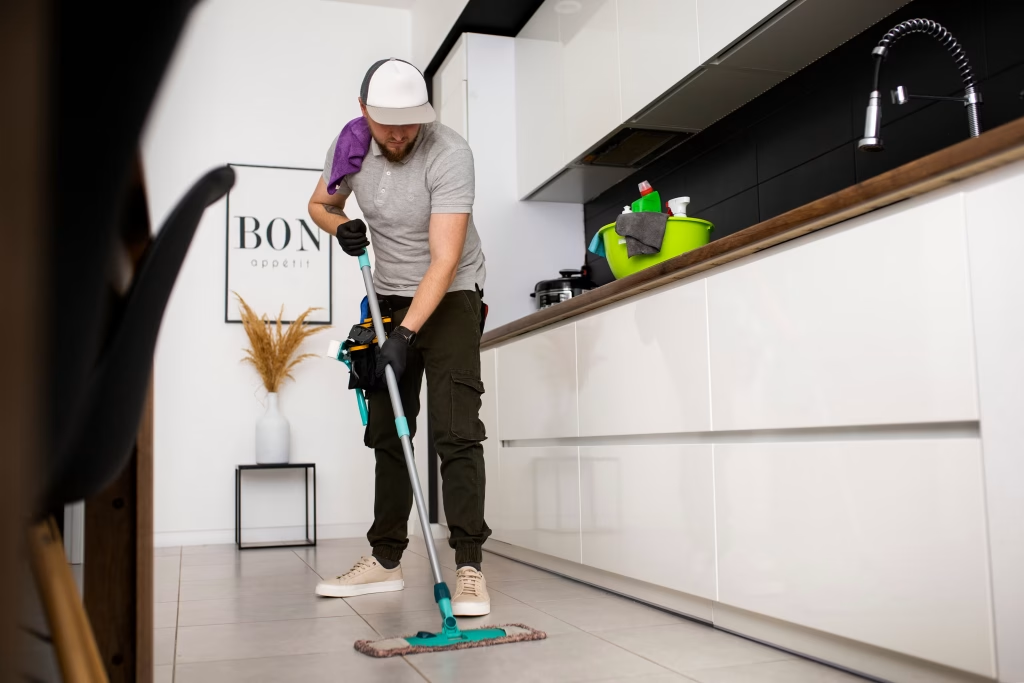
Warehouse floors usually receive the most traffic and should be one of the first areas checked during an inspection. Look for loose dust, cardboard, shrink wrap, pallet fragments, dirt, standing water, spills, grease or other residue, and debris collecting around floor edges. Pay particular attention to high-traffic areas where forklifts, pallet jacks, employees, and deliveries repeatedly move through the same sections.
Inspect areas underneath accessible shelving and around workstations as well. These locations can collect debris even when the main walking areas appear clean. If the facility uses concrete, epoxy, VCT, or another commercial flooring material, the cleaning method should match the surface and may require professional commercial floor cleaning. Heavy floor traffic may also require periodic machine scrubbing rather than routine sweeping and mopping alone.
OSHA requires workplaces, passageways, storerooms, and walking-working surfaces to be kept clean and orderly, and facility managers can review OSHA cleaning standards to better understand workplace safety expectations.
Inspect for:
- Dust and loose dirt
- Cardboard and packaging debris
- Shrink wrap and plastic
- Pallet fragments
- Spills and residue
- Standing water
- Dirt around floor edges
- Debris underneath accessible shelving
- Heavy buildup in high-traffic areas
- Visible floor markings
For facilities that need more intensive floor care, RMS Cleaning provides commercial floor cleaning in New Jersey and specifically lists concrete and epoxy floor cleaning for warehouses and other commercial properties.
2. Aisles, Walkways, and Traffic Routes
Aisles need to be checked separately from the general floor because they are part of the warehouse’s movement system. Facility managers should look for loose materials, packaging waste, spills, hoses, cords, or other objects that could interfere with pedestrian or material-handling routes. Check whether designated walkways remain visible and whether debris is building up around corners and cross-aisles. The inspection should also consider how the warehouse operates. A route that looks clear early in the morning may become cluttered after several hours of picking, receiving, or shipping activity. OSHA states that aisles and passageways used for material handling should be kept clear and in good repair, with permanent aisles appropriately marked.
Check:
- Main aisles
- Pedestrian walkways
- Forklift routes
- Cross-aisles
- Corners and turning areas
- Loose packaging
- Spills and wet spots
- Obstructions
- Visibility of existing floor markings
The purpose is simple: determine whether cleaning and housekeeping are keeping designated movement areas clear during normal warehouse activity.
3. Loading Docks and Receiving Areas
Loading docks often become dirty faster than other parts of a warehouse because they connect indoor operations with trucks, outdoor surfaces, pallets, deliveries, and changing weather conditions. Dirt and moisture can be tracked inside, while shrink wrap, cardboard, straps, broken pallet pieces, and other packaging materials can accumulate during receiving and shipping. Inspect dock floors, thresholds, dock doors, tracks, staging areas, and the immediate areas around receiving and shipping operations. Look for spills, loose materials, accumulated dirt, and waste that has been left behind after a shipment is unloaded.
Loading dock inspection points include:
- Dock floors
- Dock edges and thresholds
- Dock door tracks
- Receiving areas
- Shipping areas
- Staging zones
- Shrink wrap
- Banding and straps
- Cardboard
- Pallet debris
- Spills
- Dirt tracked in from outside
OSHA also addresses housekeeping and clearances around loading docks and material-handling areas, making dock conditions an important part of a broader warehouse housekeeping program.
4. Storage Racks, Shelving, and Under-Rack Areas
Storage systems can hide dirt because much of their surface area is above normal eye level or behind stored materials. During an inspection, check accessible rack surfaces, lower shelves, horizontal beams, corners, and the floor beneath racks for dust, cobwebs, packaging debris, and discarded materials. High-level cleaning requires additional care. Facility managers should never expect cleaners to climb racks or enter unsafe areas simply to remove dust. High-level surfaces should be addressed with suitable access equipment, trained personnel, and the facility’s safety procedures. Also look for debris that may indicate a housekeeping problem around storage locations, such as loose stretch wrap, damaged packaging, or discarded pallet material.
Inspect:
- Accessible rack surfaces
- Lower shelves
- Horizontal surfaces
- Under-rack areas
- Corners
- Cobwebs
- Dust buildup
- Packaging debris
- Empty pallet areas
OSHA’s warehouse guidance also stresses keeping storage areas free from accumulated materials that can create hazards, including trip, fire, explosion, or pest-related concerns.
5. Picking, Packing, and Work Areas
Picking and packing areas generate their own type of waste. Tape, labels, cardboard, plastic film, product packaging, and other small materials can accumulate around workstations during busy shifts. These areas should therefore be inspected separately from storage aisles. Check work surfaces, packing tables, floors around stations, waste containers, shared touchpoints, and the spaces underneath workstations. If employees regularly handle products or packaging at these stations, keeping the area clean also supports a better working environment.
Look for:
- Packaging debris
- Cardboard
- Tape and labels
- Waste around workstations
- Dirty work surfaces
- Debris underneath tables
- Overfilled bins
- Frequently touched shared surfaces
The inspection should focus on whether the cleaning schedule reflects the actual volume of work taking place in these areas.
6. Waste and Recycling Areas
Waste areas can quickly become a source of odors, loose debris, leaks, and pest concerns if they are overlooked. Inspect internal waste stations, recycling areas, waste staging points, and any exterior waste area included in the cleaning scope. Check whether bins are overflowing, liners are damaged, cardboard is accumulating outside the proper collection area, or waste has been left on surrounding floors. Look for leaks or unusual substances as well. Unknown chemicals or potentially hazardous materials should be handled according to the facility’s procedures rather than treated as ordinary cleaning waste.
Check:
- Bin capacity
- Waste around containers
- Damaged liners
- Cardboard buildup
- Recycling stations
- Waste staging areas
- Leaks
- Odors
- Debris around dumpsters
A clean waste area also makes it easier to identify when the current collection schedule is no longer suitable for the facility’s workload.
7. Restrooms, Break Rooms, and Employee Areas
Warehouse cleaning should include employee areas because these spaces may be used heavily throughout every shift. Restrooms and break rooms can also show cleaning problems that are easy to overlook when most attention is placed on the main warehouse floor. In restrooms, inspect toilets, sinks, faucets, mirrors, floors, partitions, door handles, soap, paper products, and waste bins. Check for visible residue, odors, overflowing waste, and missing supplies. In break rooms, inspect tables, countertops, sinks, appliance exteriors, floors, food residue, waste bins, and frequently handled surfaces. If food waste is left behind, it should be removed promptly according to the facility’s cleaning and waste procedures.
Restroom checklist:
- ☐ Toilets cleaned
- ☐ Sinks and faucets clean
- ☐ Mirrors clean
- ☐ Floors free of debris and residue
- ☐ Soap available
- ☐ Paper products stocked
- ☐ Waste bins emptied
- ☐ Odors addressed
Break-room checklist:
- ☐ Tables cleaned
- ☐ Counters cleaned
- ☐ Sink cleaned
- ☐ Food residue removed
- ☐ Waste removed
- ☐ Floors cleaned
- ☐ Shared touchpoints addressed
8. Offices, Entrances, and Common Areas
Many warehouses include offices, reception spaces, hallways, visitor areas, and other rooms connected to the main facility. These spaces should be included in the cleaning inspection instead of being treated as an afterthought. Inspect office floors, shared surfaces, entry mats, doors, interior glass, reception areas, and hallways. Entry points deserve special attention because dirt, moisture, mud, and other material can be brought inside from parking areas and loading zones.
Inspect:
- Reception areas
- Office floors
- Shared surfaces
- Hallways
- Entry mats
- Doors
- Door glass
- Visitor areas
- Common spaces
The goal is to make sure the entire facility is covered by the cleaning plan, including areas that support warehouse operations but are not part of the storage floor.
9. High-Touch Surfaces and Shared-Use Areas
Frequently handled surfaces can require additional attention based on how the facility is used. Examples include door handles, push plates, handrails, light switches, shared scanners, common controls, and break-room touchpoints. The exact cleaning method should depend on the surface and the equipment involved. Warehouse machinery, electrical components, scanners, and other specialized equipment should not automatically be treated as ordinary cleaning surfaces. Manufacturer instructions and site procedures should determine what can safely be cleaned and how.
Common inspection points include:
- Door handles
- Push plates
- Handrails
- Light switches
- Shared scanners
- Common control surfaces
- Break-room touchpoints
- Frequently used doors
RMS Cleaning also offers commercial disinfecting services in New Jersey, including methods such as electrostatic disinfection where a facility requires additional attention for appropriate high-touch areas.
How Often Should Each Warehouse Area Be Cleaned?
There is no single cleaning schedule that works for every warehouse. A facility with heavy forklift traffic, multiple shifts, frequent deliveries, and high packaging volume will usually generate cleaning needs faster than a smaller storage facility with limited daily activity. The right schedule should be based on traffic, usage, dust and debris levels, employee numbers, operating hours, and the condition found during inspections.
A practical starting point can look like this:
| Frequency | Typical Areas or Tasks |
| Daily | Floors, aisles, spills, loading areas, waste, restrooms, break rooms, high-use touchpoints |
| Weekly | Detailed floor care, accessible racking, packing areas, dock details, waste areas |
| Periodic | High-level dusting, hard-to-reach areas, deeper floor care, less-used areas |
| As needed | Spills, unusual waste, post-construction debris, urgent cleaning, special projects |
These are planning examples rather than fixed requirements. Current warehouse cleaning resources also recommend adjusting frequency based on site usage, foot traffic, facility risk, and the cleaning scope. A useful approach is to inspect high-traffic zones more frequently and schedule detailed work around the facility’s operating pattern. Cleaning during the busiest part of a shift may also be less effective if employees and equipment immediately recreate the same conditions.
Warehouse Cleaning Inspection Checklist for Facility Managers
The following checklist can be adapted to the size, layout, and operating schedule of your facility.
| Inspection Area | What to Check | Suggested Frequency | Status |
| Floors | Dust, debris, spills, residue | Daily | ☐ Pass ☐ Action |
| Aisles | Clear routes, debris, markings | Daily | ☐ Pass ☐ Action |
| Loading docks | Debris, spills, thresholds, tracks | Daily | ☐ Pass ☐ Action |
| Storage/racking | Accessible dust and debris | Weekly/periodic | ☐ Pass ☐ Action |
| Picking/packing | Packaging waste, surfaces, floors | Daily/weekly | ☐ Pass ☐ Action |
| Waste areas | Overflow, leaks, loose waste | Daily | ☐ Pass ☐ Action |
| Restrooms | Cleaning and supplies | Daily | ☐ Pass ☐ Action |
| Break room | Surfaces, food residue, waste | Daily | ☐ Pass ☐ Action |
| Offices | Floors, surfaces, common areas | Scheduled | ☐ Pass ☐ Action |
| Entrances | Mats, doors, tracked-in dirt | Daily | ☐ Pass ☐ Action |
| High-touch areas | Handles, switches, shared surfaces | Based on use | ☐ Pass ☐ Action |
*These frequencies are starting points. Actual schedules should be based on facility usage, traffic, site procedures, and the agreed cleaning scope.
When Should a Warehouse Bring in a Professional Cleaning Company?
Professional cleaning support can make sense when warehouse cleaning takes too much time from internal employees, the facility has a large floor area, cleaning needs continue across multiple shifts, or the work requires commercial equipment and scheduled, recurring service.
A professional cleaning company may also be useful when a facility needs:
- Recurring cleaning support
- Commercial floor care
- Large-area cleaning
- After-hours cleaning
- Deep cleaning
- Disinfecting
- Post-construction cleaning
- Specialty cleaning
- Additional staffing during high-demand periods
The decision should be based on the facility’s actual workload. A small warehouse with a manageable cleaning schedule may handle routine housekeeping internally, while a high-traffic facility may benefit from dedicated cleaning staff and commercial equipment.
Commercial and Industrial Cleaning Support for New Jersey Facilities
For New Jersey facility managers, RMS Cleaning provides commercial and industrial cleaning services with flexible scheduling for business facilities. Its service offering includes commercial cleaning, recurring cleaning, floor cleaning, commercial disinfecting, post-construction cleaning, and specialty cleaning. If a warehouse inspection shows that the internal team needs additional cleaning capacity, the facility manager can discuss the building’s floor type, operating schedule, cleaning priorities, and areas that need regular attention with RMS Cleaning. A site-specific scope helps ensure that the service covers the areas that actually create cleaning problems rather than adding unnecessary tasks. For New Jersey warehouses and commercial facilities that need additional cleaning capacity, RMS Cleaning can discuss recurring commercial cleaning, floor care, and other services based on the facility’s requirements.