Reviewed and Updated: July 24, 2026
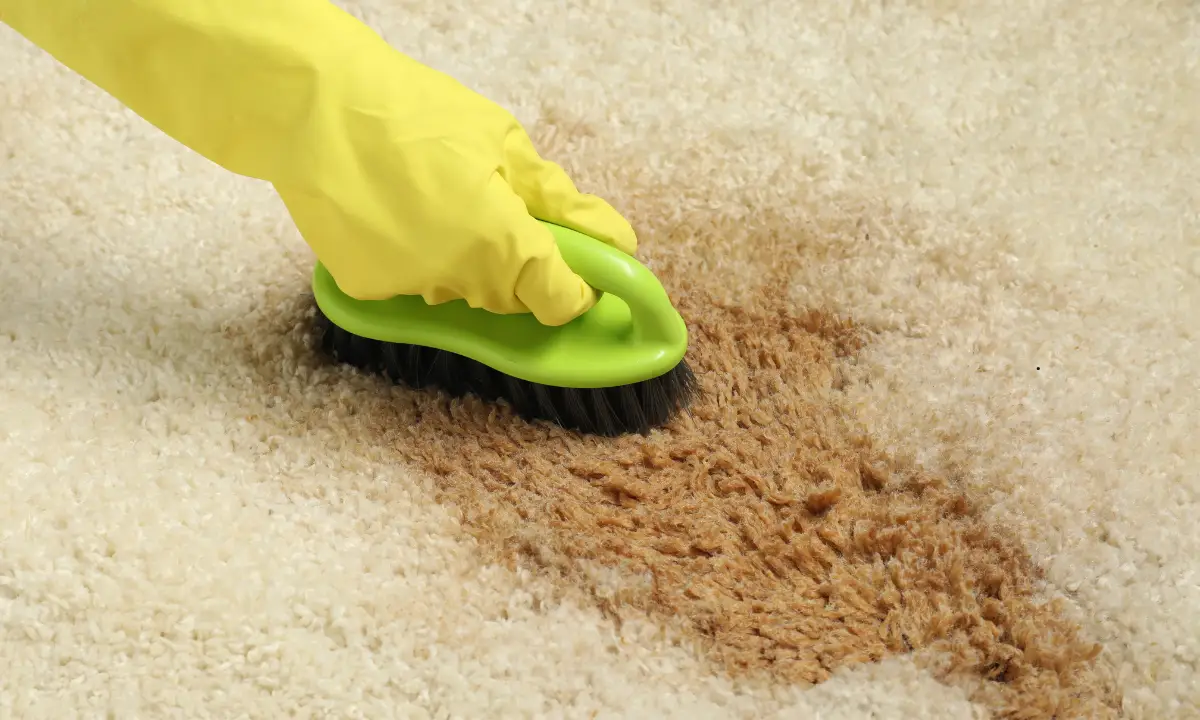
A tough carpet stain can quickly turn a clean room into a frustrating problem. Coffee, red wine, grease, mud, ink, and food spills may settle deep into carpet fibres if they are rubbed, soaked, or treated with the wrong cleaner. The safest answer to how to remove tough stain from carpet is to act quickly, identify the stain, test the cleaning solution, and use controlled blotting instead of aggressive scrubbing. We will explain how to treat common carpet stains with simple household ingredients while reducing the risk of fading, fibre damage, sticky residue, and stains that return after drying. We provide professional carpet cleaning services and stubborn stain treatment for residential and commercial properties.
What Is the Safest Way to Remove a Tough Carpet Stain?
The safest way to remove a tough carpet stain is to remove excess material, identify the stain, perform a hidden-area test, and apply a small amount of the correct cleaning solution. Blot from the outside toward the centre, rinse away any residue, and dry the carpet fully. Never rub the stain or saturate the carpet.
Follow these basic steps:
- Remove excess liquid or solid material.
- Identify the type and age of the stain.
- Check the carpet fibre and care instructions.
- Test the cleaner in a hidden area.
- Apply a small amount of cleaning solution.
- Blot instead of rubbing.
- Rinse the treated area with clean water.
- Blot dry and allow the carpet to air-dry.
- Check the area again after it is completely dry.
The strongest cleaner is not always the best choice. A gentle stain-removal method used correctly is often safer and more effective than soaking the carpet with several household products.
Check the Stain and Carpet Before You Start
A cleaning solution should be selected according to the stain and carpet material. Coffee does not behave like grease, and ink does not respond like mud. Carpet fibres also react differently to moisture, heat, white vinegar, hydrogen peroxide, and rubbing alcohol. Taking a few minutes to inspect the stain can prevent permanent colour loss or texture damage.
Is the Stain Fresh, Dried, or Unknown?
Fresh carpet stains are usually easier to treat because much of the liquid remains close to the surface. Begin immediate stain treatment by lifting solids and absorbing excess liquid with a clean towel. Do not press heavily because this may push the spill deeper into the carpet fibres and padding. A dried stain may need to be softened before it can be lifted. Apply a small amount of the correct cleaning solution and allow it to sit for a few minutes. Avoid saturating the area, as too much moisture can spread the blemish and cause material from the backing to rise during drying.
Treat an unknown stain with the mildest suitable method first. Begin with controlled blotting and a small amount of plain water. Do not apply vinegar, peroxide, alcohol, and dish soap one after another. Mixing products can create fumes, damage fibres, or leave residue that makes the stain more difficult to remove.
What Type of Carpet Fibre Are You Cleaning?
Synthetic carpets made from nylon, polyester, or olefin often tolerate water-based spot treatment better than wool and other natural fibres. However, even synthetic carpet can fade or become stiff if too much cleaner is applied. Wool carpet requires extra care because strong alkaline or acidic products may affect its colour and texture. Avoid unapproved DIY carpet cleaners on wool, silk, handmade rugs, vintage carpet, or any material with an unknown fibre content. Follow the manufacturer’s cleaning instructions or use a cleaner approved for that carpet type.
Loop-pile and Berber carpets also need gentle handling. Hard scrubbing may pull loops, create fuzzy patches, or leave a visible change in the carpet surface. If the carpet is expensive, delicate, or covered by a warranty, professional cleaning may be the safer option.
How to Perform a Colourfastness Test
A colourfastness test helps determine whether a cleaning product will cause dye transfer or fading. Test every new solution, including household ingredients, before treating the visible stain. Choose a hidden part of the carpet behind furniture or inside a closet. Put a small amount of the cleaning solution on a clean white cloth, then dab the test area gently. Wait until the carpet dries and check the cloth and fibres for colour transfer, fading, stiffness, or texture changes. Do not continue if the carpet colour appears on the cloth or the test area becomes lighter. A failed hidden-area spot test means the product is not suitable for that carpet.
Tools and Ingredients Needed for Carpet Spot Treatment
A basic carpet stain kit allows you to respond quickly without searching for supplies while a spill spreads. Use clean, white materials whenever possible because coloured towels and printed paper may transfer dye onto damp carpet.
| Tool or ingredient | Main use | Important caution |
| Clean white towel | Absorbs excess liquid | Press gently instead of rubbing |
| Clean cloth or rag | Applies cleaner and lifts stains | Change to a clean section often |
| Spoon or dull scraper | Removes solid material | Do not scrape carpet fibres aggressively |
| Spray bottle | Controls the amount of cleaner | Use a light mist |
| Warm water | Helps treat many food and drink stains | Do not use on blood or protein stains |
| Cold water | Treats blood and other protein stains | Avoid soaking the area |
| Clear dish soap | Loosens food, drink, and oily residue | Too much soap leaves sticky residue |
| White vinegar | Helps with some water-soluble stains | Test first and avoid unapproved use on wool |
| Baking soda | Absorbs moisture, oil, and some odours | Vacuum it completely |
| 3% hydrogen peroxide | May lift remaining colour | Can bleach dark or coloured carpet |
| Rubbing alcohol | May help treat ink and oily marks | Apply through a cloth, never by pouring |
| Wet vacuum or extractor | Removes moisture and cleaner | Do not over-wet the padding |
| Fan | Supports faster drying | Keep the room ventilated |
Keep household ingredients in their original labelled containers. Never mix cleaning chemicals unless the product directions clearly state that the combination is safe.
How to Remove a Tough Stain from Carpet Step by Step
The following method can be used as a general process for many carpet stains. The cleaning ingredient may change according to the stain, but the order of removing, testing, blotting, rinsing, and drying should remain consistent.
Step 1: Remove Excess Liquid or Solid Material
Use a spoon or dull scraper to lift food, mud, wax, grease, or other solid material. Work carefully so the material does not spread into clean fibres. Pick up the removed material with a paper towel instead of wiping it across the carpet. For liquid spills, place a clean white towel over the area and press lightly. Continue with dry sections until little moisture transfers. Do not stand on the towel or press with heavy force, as this can drive excess liquid into the carpet backing. If the stain has dried, vacuum loose debris before adding moisture. This prevents dry dirt from turning into a larger muddy mark during cleaning. If you’re facing stubborn grime on tile, learning how to deep clean floors safely will save your finish from abrasive damage.
Step 2: Blot from the Outside Toward the Centre
Blotting lifts moisture and residue without disturbing the carpet pile. Start at the outside edge of the stain and move gradually toward the centre. This controls the stained area and reduces spreading. Use a clean cloth and press it onto the stain for a few seconds before lifting it straight up. Move to a fresh part of the cloth each time colour transfers. Dabbing may be used for small marks, but avoid fast back-and-forth movement.
Rubbing can push stains deeper, spread coloured liquid, and damage carpet fibres. It may also leave a fuzzy or flattened patch even after the stain has been removed.
Step 3: Apply a Small Amount of Cleaning Solution
Apply the selected cleaner to a clean cloth or use a spray bottle to create a light mist. The carpet should feel damp, not soaked. Controlled spraying gives you more control than pouring cleaner directly onto the stain. Work the solution into the stained fibres through gentle dabbing. Do not saturate the carpet backing or padding. Excess moisture can cause slow drying, odours, water rings, and stains that return after cleaning. Follow product directions if using a commercial carpet spot treatment. More cleaner does not mean better stain lifting.
Step 4: Allow the Cleaner Time to Work
Cleaning solutions need time to loosen stain particles. A mild dish-soap solution may be allowed to work for about 5 minutes. Some gentle spot treatments may need 5–10 minutes, while a stubborn mark may be checked after approximately 15 minutes. Do not leave a solution longer than its label recommends. The cleaner should not dry completely inside the carpet. If the area begins to dry during treatment, gently blot it rather than adding a large amount of extra liquid.
Step 5: Dab and Lift the Stain
Use a clean rag or cloth to dab the treated area. Press, hold briefly, and lift. Repeat this process as the stain transfers from the carpet to the cloth. Work patiently instead of applying more pressure. Several light treatments are safer than one heavy application. Stop immediately if carpet dye begins transferring or the fibres change colour. A stain may appear darker while wet, so do not judge the final result until the carpet has dried.
Step 6: Rinse Away the Cleaning Residue
Rinsing is an important part of carpet stain removal. Dish soap, vinegar mixtures, and commercial spot cleaners may leave residue if they are not removed. That residue can make the carpet feel sticky and attract fresh dirt. Dampen a clean towel with plain water and blot the treated area. Do not pour water directly onto the carpet. Repeat with a fresh towel until the fibres no longer feel soapy or sticky. Use cold water where the stain type requires it. Avoid excessive rinsing because the goal is to remove residue without oversaturating the carpet.
Step 7: Blot Dry and Let the Carpet Air-Dry
Press a clean, dry towel over the area to absorb remaining moisture. Replace the towel when it becomes damp. For deeper moisture, place a dry white towel over the spot and add a light, colour-safe object on top for a short period. Use a fan and improve airflow in the room. Keep people, furniture, and pets away from the damp carpet. Once the area is completely dry, vacuum it to restore the pile. Inspect the stain again after drying. If it returns, moisture or stain residue may be rising from the carpet backing or padding. Carpet maintenance like vacuuming and immediate spot cleaning can be done at home.
Which DIY Carpet Cleaner Should You Use?
A DIY carpet cleaner should match the stain type and carpet fibre. Household ingredients can help with small stains, but they are not suitable for every carpet. Always measure the ingredients, perform a colourfastness test, and rinse the treated area after cleaning.
| DIY cleaning option | Suggested measurement | Suitable for | Main risk |
| Mild soap solution | 1 cup warm water and ½ teaspoon clear dish soap | Many food and drink stains | Excess soap leaves residue |
| Vinegar and soap solution | 1 cup warm water, 1 tablespoon white vinegar, and a few drops of dish soap | Some water-soluble marks | May affect certain fibres or dyes |
| Baking soda treatment | A light, even layer | Oil, moisture, and some odours | Powder may remain in the carpet |
| 3% hydrogen peroxide | A small tested amount | Remaining colour on suitable light carpet | May bleach the carpet |
| Rubbing alcohol | Small amount placed on a cloth | Some ink and oily marks | May affect dye or backing |
| Cold-water treatment | Plain cold water | Blood and protein stains | Over-wetting may spread the stain |
A fizzing reaction between baking soda and white vinegar may loosen some surface material, but the reaction does not prove that the carpet stain has been removed. The loosened residue must still be blotted, rinsed, and dried. Using both products together can also reduce their individual cleaning action, so a stain-specific treatment is usually more useful than relying on fizzing.
How to Treat Different Types of Tough Carpet Stains
Different stains contain different materials. Water-soluble drink stains, oily residue, protein, dye, and dry soil should not receive the same treatment. The following methods build on the basic blotting and rinsing process.
Food Stains and Sticky Spills
Remove solid food with a spoon before applying water. For sauce, syrup, sugary drinks, or other sticky food stains, mix 1 cup of warm water with ½ teaspoon of clear dish soap. Apply a small amount to a clean cloth and dab the stained fibres. Allow the solution to work for about 5 minutes, then blot from the outside toward the centre. Repeat with a fresh section of cloth until the mark stops transferring. Rinse with a lightly damp towel and blot dry. Food containing butter, oil, cheese, or cream may leave both colour and grease. Remove the oily part first with an absorbent treatment before using the mild soap solution. Proper rinsing is important because leftover sugar and dish soap can make the area attract dirt.
Coffee and Tea Stains
Blot fresh coffee or tea immediately with a clean towel. Avoid rubbing because the brown liquid can spread quickly through damp carpet fibres. Start with the mild dish-soap solution and dab the area gently. For a remaining mark on a colourfast synthetic carpet, a mixture of 1 cup warm water, 1 tablespoon white vinegar, and a few drops of clear dish soap may be tested. Apply a small amount, wait 5–10 minutes, and blot. Rinse the carpet afterward. Coffee containing milk or cream should be treated as both a drink stain and a protein-based spill. Use cool water instead of hot water, as heat may make the dairy residue harder to remove. A small amount of 3% hydrogen peroxide may help with a stubborn brown mark on a suitable light-coloured carpet, but it must be patch-tested first. Do not use it if the carpet colour transfers or lightens.
Red Wine and Dark-Coloured Drink Stains
Absorb as much red wine, grape juice, fruit punch, or coloured drink as possible before applying a cleaning solution. Use several clean towels rather than pressing one saturated towel back onto the carpet. Apply a tested mild soap solution through a spray bottle or clean cloth. Blot repeatedly from the outside toward the centre. For colour that remains, use a carpet-safe spot treatment approved for dye-based stains. Avoid hot water, rubbing, and heavy saturation. Red pigments and artificial drink dyes may bond with carpet fibres, especially after drying. A professional treatment may be needed if the stain remains after one or two careful attempts.
Grease and Oil Stains
Lift thick grease with a spoon or dull scraper. Sprinkle a light layer of baking soda over the mark and allow it to absorb the oil for approximately 15 minutes. Vacuum the powder thoroughly before adding any liquid. Apply a small amount of mild clear dish-soap solution and blot the area. Dish soap may help loosen cooking oil, butter, gravy, oily food residue, and some makeup stains. Rinse well so the detergent does not remain in the fibres.
For a difficult oily mark, rubbing alcohol may be tested in a hidden area. Place a small amount on a clean cloth and dab the stain carefully. Never pour alcohol directly onto carpet because it may spread into the backing or affect the adhesive.
Mud and Ground-In Dirt
Lift thick wet mud with a spoon, but allow the remaining mud to dry before further cleaning. Rubbing wet mud can spread soil and push it deeper into the carpet. Once dry, vacuum the area slowly from several directions. This removes loose soil from the base of the carpet pile. Apply a mild soap solution to any remaining blemish and blot from the edge toward the centre. Rinse with a clean damp towel and blot dry. If a dark traffic mark remains after the soil has been removed, the carpet may need deeper extraction rather than repeated spot treatment.
Ink and Marker Stains
Ink should be treated with controlled dabbing because wiping may create a much larger stain. Perform a colourfastness test, then place a small amount of rubbing alcohol on a clean white cloth. Dab the ink gently and move to a clean section of cloth as the colour transfers. Do not allow the cloth to spread ink back onto the carpet. After the transfer slows, blot the area with a damp towel to remove residue and then dry it. Permanent marker, printer ink, and large ink spills may not respond fully to household treatment. Stop if the carpet colour begins to change or the ink spreads. Professional spot treatment is safer than repeated use of strong solvents.
How to Treat Old or Set-In Carpet Stains
An old carpet stain may have dried around the fibres, collected fresh dirt, or reached the carpet backing. It may also contain residue from a previous cleaning attempt. Old stains often require patience, but repeated chemical treatments can cause more damage than the original mark.
Loosen Dried Residue Gently
Vacuum the stained area first to remove loose debris. Apply a small amount of plain water or a suitable stain-specific solution. Allow it to sit for 5–10 minutes so the dried material begins to soften. Blot the area with a clean cloth. Do not scrub dried residue, as hard particles may damage the carpet pile. Lift any loosened solid material with a spoon. The goal is to soften the stain gradually. Saturating the carpet will not make the process faster and may spread the stain into a wider area.
Repeat the Treatment Without Over-Wetting
Allow the carpet to become partly dry before repeating a treatment. Several controlled applications are safer than soaking the stain once. Rinse between treatments to prevent dish soap, vinegar, peroxide, or commercial cleaner from building up. Stop if the carpet becomes stiff, lighter, fuzzy, or discoloured. If two careful attempts produce little improvement, stronger DIY treatment may cause permanent damage. At that point, professional extraction and stain identification may offer a safer option.
Recognize a Permanent Colour Change
Some marks remain visible because the carpet itself has changed colour. Bleach, strong peroxide, hair dye, paint, chemicals, and sunlight can remove or alter carpet dye. Cleaning cannot restore colour that is no longer present. Heat may also damage synthetic fibres and leave a flat or shiny patch. Heavy rubbing can create a fuzzy area that looks like a stain even after the residue is gone. If the carpet is clean but the colour or texture remains different, the issue may require carpet repair, colour correction, or fibre replacement rather than further stain removal.
Why Does a Carpet Stain Return After Cleaning?
A carpet stain that disappears while wet and returns after drying is often caused by wicking, cleaning residue, or excessive moisture. The visible surface may have been cleaned while stain material remained deeper in the carpet.
Moisture Is Wicking Up from Below
Wicking happens when liquid reaches the carpet backing or padding and rises through the fibres during drying. The surface may look clean immediately after treatment, but the stain returns as moisture moves upward. Blotting the surface alone may not remove contamination from lower layers. Pet urine, large drink spills, and heavily saturated stains are common causes of wicking. A wet vacuum or professional extraction service may be needed to remove material below the carpet surface.
Cleaning Residue Is Attracting New Dirt
Too much clear dish soap or an incompletely rinsed DIY cleaner can leave a sticky film. Dust, soil, and shoe residue attach to that film, causing the cleaned area to become dark again. Rinse the spot with a small amount of plain water and blot thoroughly. Repeat until the carpet no longer feels sticky. Allow it to dry fully before walking over it. Avoid adding another cleaning product until the previous residue has been removed.
The Carpet Was Oversaturated
Oversaturating carpet can spread the stain, soak the padding, and slow drying. It may also create a water ring around the treated area.
To control the problem:
- Rinse with a small amount of clean water.
- Extract or blot as much moisture as possible.
- Place a dry white towel over the area.
- Add light weight to improve absorption.
- Replace the towel when it becomes damp.
- Use a fan to support drying.
- Arrange professional extraction if the stain returns.
Persistent dampness may also lead to odours and damage beneath the carpet, so it should not be ignored.
Carpet Stain Removal Mistakes That Can Damage Fibres
Many carpet stains become harder to remove because of the first cleaning attempt. Avoid these common mistakes:
- Rubbing instead of blotting: Rubbing spreads stains and damages the pile.
- Using warm water on protein stains: Heat may set blood, milk, egg, or similar material.
- Pouring cleaner directly onto carpet: This can soak the backing and spread residue.
- Saturating the carpet: Excess moisture increases the risk of wicking and slow drying.
- Skipping the hidden-area test: Even common household ingredients may fade carpet.
- Mixing several cleaners: Chemical combinations can damage fibres or create harmful fumes.
- Using too much dish soap: Extra detergent leaves sticky residue.
- Skipping the rinse: Cleaner left in the carpet attracts dirt.
- Using peroxide without testing: 3% hydrogen peroxide can lighten coloured fibres.
- Pouring alcohol onto ink: Rubbing alcohol may spread into the backing.
- Using coloured towels: Damp fabric dye may transfer onto carpet.
- Applying heat too early: Heat may set protein, dye, or odour.
- Repeating strong treatments: Multiple products may cause fading and stiffness.
- Assuming fizzing means cleaning: A fizzing reaction does not confirm stain removal.
- Walking on damp carpet: Foot traffic can add new soil before the fibres dry.
Stop treatment if the carpet colour transfers, the fibres become rough, or the stain spreads.
When Is Professional Carpet Stain Removal the Safer Choice?
A small fresh spill may respond to careful spot treatment, but deep, old, or returning stains often need professional equipment. Professional help is also safer for wool, vintage, handmade, or expensive carpets where colour and fibre damage would be costly.
Consider booking professional carpet cleaning when:
- The stain returns after the carpet dries.
- Liquid has reached the carpet padding.
- The affected area is large.
- The carpet fibre is unknown.
- The carpet is wool or another delicate material.
- Permanent ink, paint, dye, or chemicals are involved.
- Pet urine odour remains after treatment.
- Previous cleaners have caused fading or stiffness.
- The carpet feels sticky after repeated rinsing.
- The area has stayed damp for a long period.
- Several DIY treatments have already failed.
RMS Cleaning provides professional carpet cleaning and tough stain treatment for homes and businesses across New Jersey. Controlled cleaning and extraction can help remove embedded residue while reducing the risk of oversaturation, sticky detergent buildup, and damage to the carpet fibres or backing.
Frequently Asked Questions About Tough Carpet Stains
Should I Use Warm or Cold Water on a Carpet Stain?
Use cold water for blood, milk, egg, vomit, and other protein-based stains because warm or hot water may set the material. Warm water may be used in mild cleaning solutions for many food, drink, mud, and greasy stains. Always check the carpet care instructions before treatment.
How Long Should a DIY Carpet Cleaner Sit?
Many mild spot treatments need around 5–10 minutes to loosen a stain. Some stubborn marks may be checked after 15 minutes. Do not allow the solution to dry completely inside the carpet, and never exceed the time stated on a commercial cleaner’s label.
Does Baking Soda and Vinegar Remove Every Carpet Stain?
No. Baking soda can absorb moisture, oil, and some odours, while white vinegar may help with certain water-soluble stains. Neither product removes every stain. Their fizzing reaction does not guarantee stain lifting, and both should be tested before use.
Can 3% Hydrogen Peroxide Fade Coloured Carpet?
Yes. Hydrogen peroxide may lighten carpet dye, especially on dark, bright, wool, or unknown fibres. Perform a hidden-area colourfastness test and use only a small amount. Stop if the carpet becomes lighter.
Is Rubbing Alcohol Safe for Ink Stains on Carpet?
Rubbing alcohol may help lift some ink, but it should be tested first. Apply a small amount to a clean white cloth and dab the stain. Never pour it directly onto carpet, as it may affect dye, adhesive, or backing.
How Long Should Carpet Dry After Spot Cleaning?
Drying time depends on the carpet fibre, amount of moisture, room temperature, and airflow. A lightly treated area may dry within several hours, while an oversaturated stain may take much longer. Keep the area unused until it feels completely dry.
Why Does the Cleaned Area Feel Sticky?
A sticky area usually contains dish soap or cleaning-product residue. Blot it with a clean towel dampened with plain water, then press with a dry towel. Repeat carefully until the fibres no longer feel sticky.
Remove the Stain Without Damaging the Carpet
Successful carpet stain removal depends on using the correct method, not the largest amount of cleaner. Identify the stain, check the carpet fibre, perform a colourfastness test, and blot gently from the outside toward the centre. Rinse away dish soap and other cleaning residue, then allow the carpet to dry completely before judging the result. Old stains, permanent dye, pet contamination, and marks that return after drying may have reached the carpet backing or padding. Repeating strong DIY treatments can make these problems worse. RMS Cleaning can provide professional carpet cleaning and stubborn stain treatment for residential and commercial properties across New Jersey. Request a cleaning quote when a stain is too deep, too large, too delicate, or too persistent for safe home treatment.