Maintaining a clean and safe workplace is not just about appearances; it directly impacts employee health, productivity, and the overall reputation of your business. Many facilities in the United States struggle with keeping up with proper cleaning practices while following legal requirements. Understanding and applying OSHA cleaning standards ensures your workplace remains safe, compliant, and efficient. From proper sanitation procedures to chemical handling and employee safety, following these standards protects both your staff and your clients. At RMS Cleaning, we specialize in providing fully OSHA-compliant cleaning services across New Jersey and surrounding areas, ensuring that every surface, high-touch area, and workspace meets the strict guidelines established by federal authorities.
What Are OSHA Cleaning Standards?
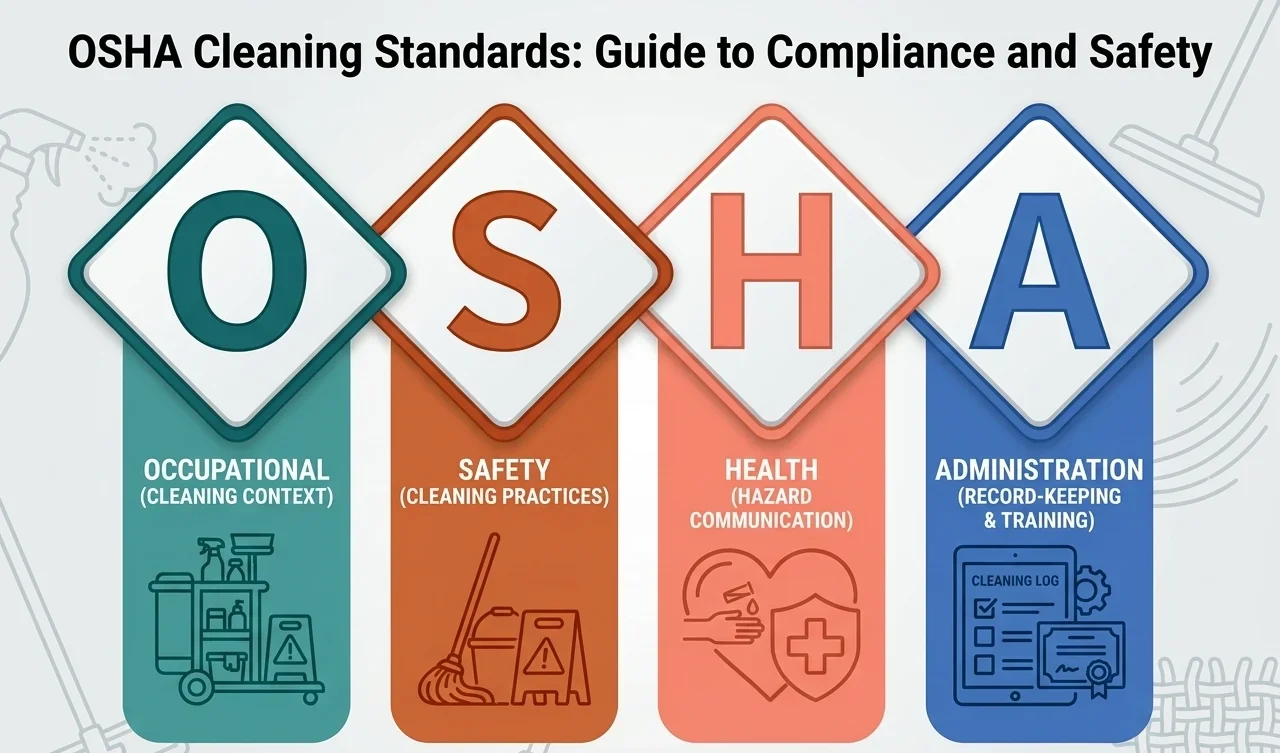
The Occupational Safety and Health Administration (OSHA) sets regulations to protect workers in all industries. OSHA cleaning standards are a collection of rules and practices that businesses must follow to prevent workplace injuries, exposure to hazardous chemicals, and the spread of infectious diseases. These standards cover sanitation, housekeeping, chemical safety, and the proper use of personal protective equipment (PPE).
For business owners, adhering to these standards is crucial. Non-compliance can result in fines, legal action, or increased liability in case of accidents. For employees, compliance ensures protection from slips, falls, chemical exposure, and contamination. Integrating OSHA cleaning compliance into daily operations demonstrates professionalism and builds trust with customers.
Key standards you need to know include:
- 29 CFR 1910.141 (Sanitation Standard) – Sets rules for clean toilets, handwashing facilities, waste disposal, and vermin control.
- 29 CFR 1910.22 (Housekeeping) – Requires workplaces to remain clean, orderly, and free from hazards, including slip/fall protection and dust control.
- 29 CFR 1910.1200 (Hazard Communication) – Ensures proper labeling of hazardous chemicals and provides access to Safety Data Sheets (SDS) for cleaning agents.
- 29 CFR 1910.132-134 (PPE Requirements) – Specifies the types of gloves, masks, goggles, and protective clothing that staff must use to safely handle chemicals and infectious materials.
At RMS Cleaning, our teams are trained to implement these standards for every commercial and residential cleaning project. From everyday housekeeping to specialized sanitation, we guarantee that your workplace meets OSHA requirements and remains safe for employees and visitors.
OSHA’s Regulatory Framework for Cleaning and Sanitation
OSHA’s regulations provide a clear framework that businesses must follow to maintain a compliant workplace. Understanding this framework ensures you know exactly what your cleaning staff should do and how to document it for inspections or audits.
29 CFR 1910.141: Workplace Sanitation
29 CFR 1910.141 focuses on sanitation requirements, including the maintenance of toilets, handwashing stations, and general hygiene. Key points include:
- Providing a sufficient number of clean and functioning toilets per employee count.
- Ensuring handwashing facilities are stocked with soap, clean towels, and running water.
- Maintaining waste disposal procedures that prevent contamination or exposure to hazardous substances.
- Implementing vermin control measures to avoid infestation in workplaces.
Maintaining these standards is essential for employee health and for preventing regulatory penalties. We provide routine and deep sanitation services that meet all these requirements, keeping your facility fully compliant.
29 CFR 1910.22: Housekeeping Standards
Housekeeping is a core aspect of OSHA standards. 29 CFR 1910.22 outlines expectations for:
- Keeping all workplaces clean, orderly, and free from debris.
- Maintaining dry, hazard-free walking surfaces to prevent slip and fall accidents.
- Minimizing dust and contaminants during cleaning operations.
Proper housekeeping not only protects employees but also improves overall workplace efficiency. Our teams follow a detailed cleaning schedule that ensures every surface, floor, and high-touch area remains safe and sanitary.
Hazard Communication: 29 CFR 1910.1200
Handling hazardous chemicals safely is a critical component of OSHA compliance. 29 CFR 1910.1200 requires businesses to maintain:
- A written hazard communication program.
- Accessible Safety Data Sheets (SDS) for all cleaning agents.
- Proper labeling for chemicals in original containers and secondary storage.
We ensure that all cleaning products used are properly labeled, stored, and documented. Our teams are trained to handle chemicals safely, reducing exposure risks for employees and facility occupants.
Personal Protective Equipment (PPE): 29 CFR 1910.132-134
Providing appropriate PPE is mandatory under OSHA standards. These requirements cover:
- Gloves for chemical and infectious material handling.
- Goggles and face shields to protect eyes from splashes.
- Respiratory protection where dust or fumes are present.
- Protective clothing to reduce skin exposure to hazardous substances.
Our staff at RMS Cleaning are equipped with the right PPE for each task, from daily housekeeping to deep sanitation, ensuring their safety and yours.
OSHA vs CDC Cleaning Guidelines: What Businesses Need to Know
While OSHA establishes enforceable workplace safety standards, the Centers for Disease Control and Prevention (CDC) provides guidance focused on infection prevention and public health best practices. Understanding the differences ensures your facility is both legally compliant and effective in reducing illness risks. OSHA requirements are mandatory, covering sanitation, PPE, and chemical safety. CDC guidelines complement these by providing practical recommendations for disinfecting surfaces, managing high-touch areas, and controlling the spread of disease.
The CDC emphasizes the use of EPA-approved disinfectants and the proper frequency of cleaning, particularly during illness outbreaks. Integrating CDC guidance into your OSHA-compliant practices strengthens your overall cleaning program, minimizes exposure risks, and ensures a healthy environment for employees and visitors.
CDC Cleaning and Disinfection Recommendations
High-Touch Surfaces:
Areas frequently contacted by hands, such as doorknobs, light switches, desks, and restroom fixtures, require more frequent cleaning. Regular disinfection of these surfaces prevents the spread of germs and viruses, especially in shared workspaces.
Cleaning Frequency:
- Daily tasks: Dusting, vacuuming, emptying trash, wiping high-touch surfaces.
- Weekly/Monthly deep cleaning: Floors, HVAC vents, walls, and less-accessible areas.
Use of EPA-Approved Disinfectants:
CDC recommends disinfectants that meet EPA criteria for effectiveness against bacteria and viruses. Using approved chemicals ensures compliance with both safety and efficacy standards while aligning with OSHA’s chemical handling requirements.
Response to Illness Outbreaks:
During outbreaks, facilities should increase the frequency of cleaning high-touch surfaces and provide additional PPE for cleaning staff. Having a documented response plan improves readiness and reduces transmission risks.
Employee Training:
Training employees in both OSHA and CDC guidelines ensures consistent application of cleaning protocols. Staff must understand proper PPE use, chemical handling, and disinfection methods to maintain compliance and safety. We provides comprehensive employee training programs, ensuring all personnel follow federal and public health standards.
Industry-Specific Applications of OSHA Cleaning Standards
Different industries have unique cleaning challenges, but OSHA standards apply universally. Understanding these applications ensures proper sanitation, employee safety, and regulatory compliance.
Healthcare Settings
Healthcare facilities must prevent healthcare-associated infections (HAIs). OSHA standards require proper sanitation, PPE use, and chemical handling. CDC guidance emphasizes high-touch areas, disinfection, and outbreak response. RMS Cleaning provides specialized healthcare cleaning services, using EPA-approved disinfectants and trained staff to meet rigorous safety requirements.
Hospitality & Commercial Spaces
Hotels, offices, and other commercial facilities must maintain clean guest and employee areas. OSHA compliance includes housekeeping, chemical safety, and PPE, while CDC guidance highlights disinfection of guest rooms, lobbies, and shared equipment. We deliver thorough cleaning, ensuring floors, surfaces, and high-touch areas remain sanitary and safe.
Education Facilities
Classrooms, cafeterias, and recreation areas require frequent sanitation to prevent the spread. OSHA mandates proper waste disposal, slip/fall protection, and PPE use for cleaning staff. Our staff follows both OSHA and CDC guidelines to provide safe learning environments for students and staff.
Manufacturing & Industrial Sites
Facilities handling chemicals or sensitive products must prevent contamination and maintain safe workplaces. OSHA standards regulate hazardous chemicals, PPE, and sanitation, while CDC guidance informs disinfection practices. We provide industrial cleaning solutions that protect products, employees, and visitors.
Common OSHA Violations Related to Cleaning Standards
Even well-intentioned businesses can fall short of OSHA cleaning standards. Common violations often involve:
- Missing Safety Data Sheets (SDS): Cleaning chemicals without accessible SDS create hazards and violate 29 CFR 1910.1200.
- Improper use or absence of PPE: Failing to provide gloves, masks, goggles, or protective clothing for chemical handling exposes staff to injury.
- Inadequate housekeeping: Wet floors, cluttered walkways, and poor dust control violate 29 CFR 1910.22 and increase slip/fall hazards.
- Insufficient sanitation: Restrooms, handwashing stations, and waste disposal that don’t meet 29 CFR 1910.141 standards compromise hygiene.
- Vermin infestations: Lack of routine vermin control can lead to contamination and regulatory action.
Identifying these areas is essential to maintain cleaning compliance and protect both staff and clients. RMS Cleaning ensures all projects follow OSHA standards and implement proper housekeeping, sanitation, PPE, and chemical handling procedures to eliminate these violations.
OSHA Penalties for Non-Compliance
OSHA enforces standards through inspections and can issue penalties for violations. Penalties depend on the severity and nature of non-compliance:
| Violation Type | Description | Typical Penalty |
| Serious | Workplace hazard with potential injury or illness | $16,550 per violation |
| Willful | Employer knowingly fails to comply | $165,514 per violation |
Failure to Abate | Previously cited for the same issue | $16,550 per day beyond the abatement date |
| Other-than-Serious | Minimal impact but violates standards | Lower fines, citation notice |
Proactive compliance not only avoids fines but also demonstrates responsibility to employees and clients, enhancing your business reputation. RMS Cleaning’s adherence to all OSHA cleaning standards ensures facilities remain safe and avoid costly penalties.
Training Cleaning Staff for OSHA Compliance
Employee training is critical to achieving cleaning compliance. OSHA standards require that staff are educated on proper sanitation, chemical handling, PPE use, and emergency procedures. Key training elements include:
- Understanding hazard communication and SDS usage
- Correct PPE selection and usage based on tasks
- Cleaning and disinfecting high-touch surfaces according to frequency guidelines
- Safe handling and disposal of waste and hazardous chemicals
- Responding appropriately during illness outbreaks or contamination events
All staff receive ongoing OSHA-compliant training programs, ensuring every cleaning task is performed safely and efficiently. Documented training also supports compliance during inspections.
Integrating OSHA Cleaning Standards into Safety Programs
Businesses benefit from embedding OSHA standards into formal safety and cleaning programs. This involves:
- Written safety policies detailing cleaning procedures, PPE requirements, and chemical handling protocols
- Regular inspections and checklists to monitor compliance with 29 CFR 1910.141, 1910.22, and 1910.1200
- Documentation of employee training, cleaning schedules, and chemical inventory
- Using digital compliance tools to track and report sanitation activities
By following these practices, facilities reduce risks, maintain employee safety, and satisfy regulatory expectations. RMS Cleaning can partner with businesses to implement these programs, ensuring ongoing compliance with OSHA standards.
Key Takeaways: Ensuring Workplace Safety and Compliance
Maintaining OSHA-compliant cleaning practices is essential for health, safety, and regulatory adherence. Businesses that implement these standards benefit from:
- Reduced risk of accidents, chemical exposure, and illness
- Clear documentation and audit readiness for OSHA inspections
- Safe and healthy environments for employees and visitors
- Enhanced reputation and trust from clients
RMS Cleaning provides professional, fully compliant cleaning services across New Jersey and nearby areas, following OSHA regulations, CDC cleaning guidelines, and industry best practices. From routine housekeeping to specialized sanitation, we ensure your facility remains safe, clean, and fully compliant. Contact RMS Cleaning today to schedule services that meet all OSHA cleaning standards and protect your workplace.
Frequently Asked Questions About OSHA Cleaning Standards
What are OSHA cleaning standards?
OSHA cleaning standards are federal rules that ensure workplaces stay safe and sanitary. They cover sanitation (29 CFR 1910.141), housekeeping (29 CFR 1910.22), hazard communication (29 CFR 1910.1200), and PPE (29 CFR 1910.132-134). Compliance protects employees, prevents accidents, and ensures proper handling of chemicals, waste, and high-touch surfaces.
Does OSHA require SDS for cleaning products?
Yes. OSHA requires all cleaning chemicals to have Safety Data Sheets (SDS), which detail hazards, safe handling, and emergency measures. Proper labeling and staff training on SDS use are essential for safety and compliance.
How often should workplaces clean to meet OSHA standards?
OSHA doesn’t specify exact intervals but expects workplaces to remain clean, orderly, and safe. Daily cleaning of high-touch areas and floors, plus weekly or monthly deep cleaning, ensures compliance. Outbreaks may require more frequent disinfection.
Does OSHA mandate cleaning training?
Yes. Employees must be trained in sanitation, chemical handling, PPE use, waste disposal, and vermin control. Documented training ensures staff safety and meets OSHA compliance requirements.
Are CDC guidelines the same as OSHA cleaning rules?
Not exactly. OSHA sets legal safety standards, while the CDC provides health-focused cleaning guidance, including EPA-approved disinfectants and high-touch surface protocols. Combining both ensures a safe and healthy workplace.
References
OSHA Standard: 29 CFR 1910.141
https://www.osha.gov/laws-regs/regulations/standardnumber/1910/1910.141
OSHA Standard:29 CFR 1910.22
https://www.osha.gov/laws-regs/regulations/standardnumber/1910/1910.22
OSHA Standard:29 CFR 1910.1200
https://www.osha.gov/laws-regs/regulations/standardnumber/1910/1910.1200
CDC Guidelines for Cleaning and Disinfecting
https://www.cdc.gov/hygiene/cleaning-disinfecting/index.html
OSHA Penalties