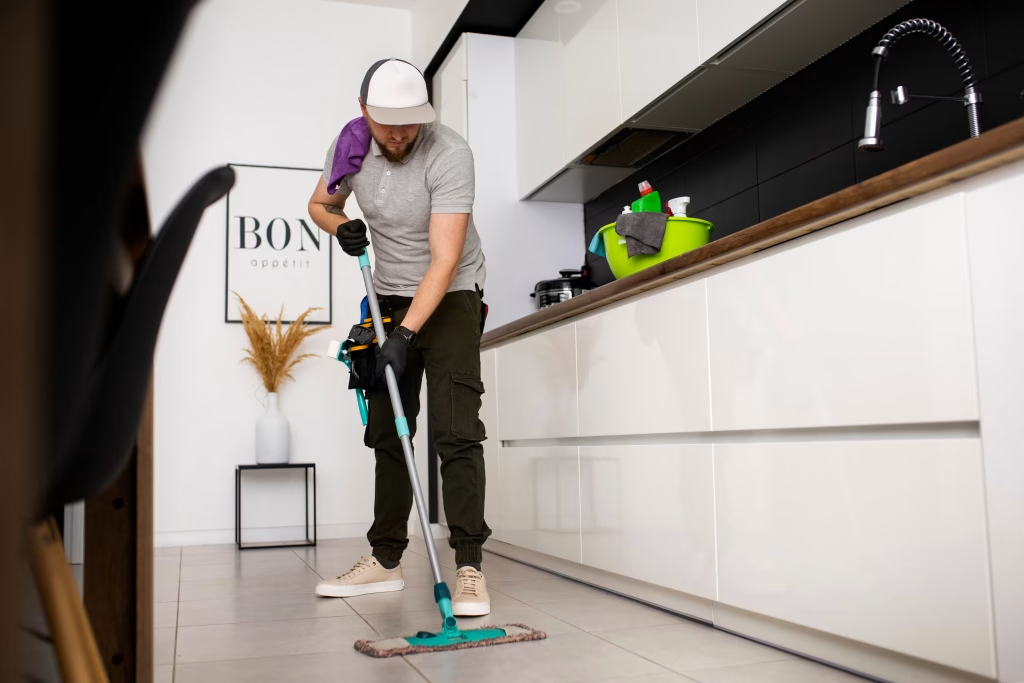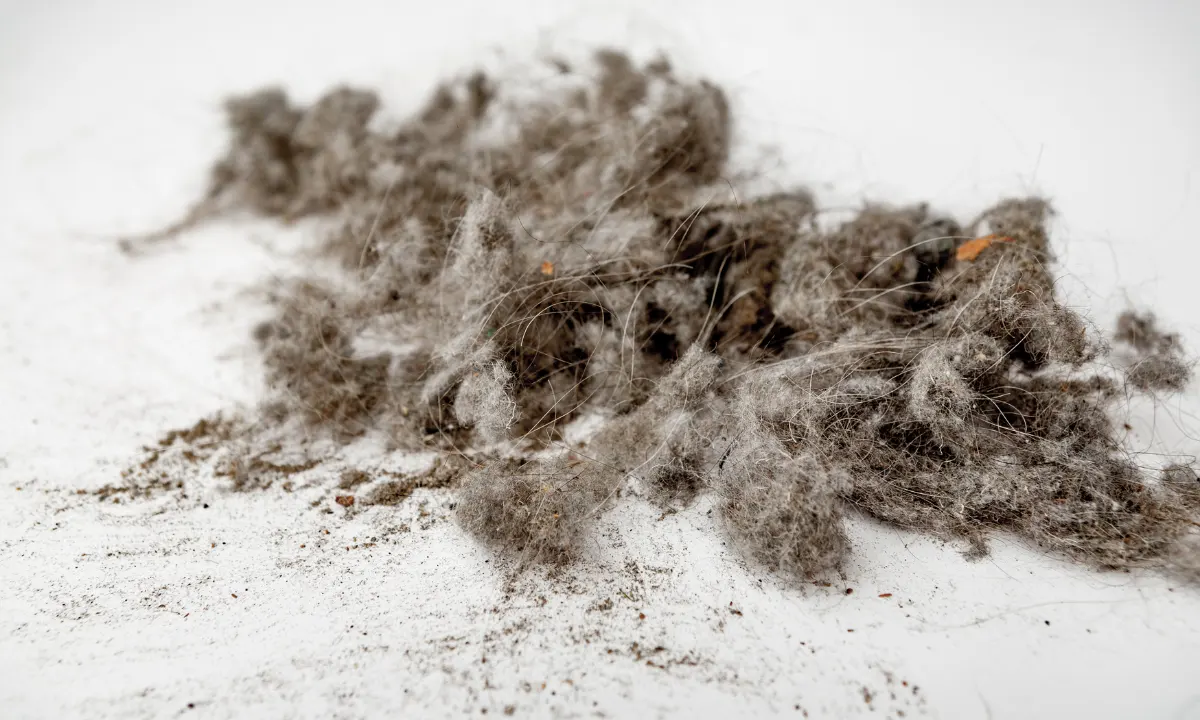
Dust bunnies are more than just a nuisance; they are visible signs of dust accumulation, allergens, and hidden debris in homes and offices. They often form in low-traffic areas, under furniture, and around appliances, where standard cleaning routines might miss. Ignoring them can affect indoor air quality, aggravate allergies, and even impact the performance of electronics or HVAC systems. Understanding what dust bunnies are, why they form, and how to remove them effectively allows homeowners and facility managers to maintain healthier, cleaner spaces. At RMS Cleaning, we provide professional cleaning services, including Buildingstars-certified deep cleaning and commercial-grade vacuuming with HEPA filters, to ensure dust bunnies are eliminated safely and efficiently.
What Are Dust Bunnies & What Do They Contain?
Dust bunnies are small, clumped masses composed of dust particles, hair, lint, dead skin cells, and other debris that accumulate over time. They are often held together by static electricity, which allows them to grow as more particles attach. In homes and offices, dust bunnies can contain:
- Dust mites and allergens
- Pet hair and fibers from upholstery or carpets
- Spider webs trapping airborne particles
- Lint, paper dust, and fabric fibers
- Debris carried in from foot traffic
These clumps are usually found in hard-to-reach areas, including under furniture (couches, tables, mattresses, box springs), appliances (fridge, stove), and along baseboards and corners. Even area rugs, curtains, blinds, lampshades, and bed skirts can harbor dust bunnies if not regularly maintained.
Why Dust Bunnies Form: The Key Causes
Dust bunnies form because of a combination of environmental and behavioral factors. Static electricity pulls together dust particles, hair, and lint, especially in dry indoor air. Areas with minimal foot traffic, such as corners, under beds, or behind furniture, allow dust to settle and accumulate. Pets contribute hair and dander, while dead skin cells from humans further feed the growth of these clumps. Additional contributors include:
- HVAC systems and filters that circulate dust if not maintained
- Airborne particles that settle in low-circulation spaces
- Neglected cleaning routines, especially in corners and behind furniture
By addressing these factors, homeowners and offices can reduce dust accumulation and prevent the formation of large dust bunnies. RMS Cleaning offers professional cleaning solutions, including HEPA-filtered vacuuming and deep cleaning of low-traffic areas, to remove dust and allergens before they collect.
Where Dust Bunnies Hide (Home & Office)
Dust bunnies often remain hidden until they become noticeable. Common hiding spots include:
- Under furniture such as couches, beds, cabinets, and tables
- Behind appliances like refrigerators, stoves, and water heaters
- Around HVAC vents and under return grills
- Along baseboards, corners, and low shelves
- Behind and under area rugs, curtains, blinds, lampshades, and bed skirts
These areas are frequently overlooked during routine cleaning, which is why professional cleaning services that focus on deep cleaning hard-to-reach spots are essential for effective dust bunny removal.
Are Dust Bunnies Harmful? Health & Practical Risks
Although small, dust bunnies can harbor dust mites and allergens, aggravating respiratory issues such as asthma or sinus irritation. They may reduce indoor air quality, exacerbate allergy symptoms, and even clog electronics or interfere with HVAC system airflow, leading to decreased efficiency. Homes with pets or individuals sensitive to allergens are particularly vulnerable, as dust bunnies often collect pet hair and dander, further increasing health risks. By removing dust bunnies regularly, either through routine vacuuming or professional deep cleaning, you protect both health and comfort.
How to Eliminate Dust Bunnies: Step-by-Step Cleaning Guide
Eliminating dust bunnies takes more than a quick sweep across the floor. These clumps often collect in hidden spaces where dust, lint, pet hair, dead skin cells, and allergens settle over time. A good cleaning plan should remove visible dust first, then target corners, baseboards, furniture gaps, vents, and low-traffic areas. For homes and offices, the best results come from regular vacuuming, microfiber dusting, proper tools, and monthly deep cleaning. RMS Cleaning helps remove dust buildup from hard-to-reach areas with professional cleaning methods that support a cleaner and healthier indoor space.
Daily & Weekly Practices for Dust Control
Daily and weekly dust control keeps dust bunnies from growing into larger clumps. Start with quick sweeps of visible dust near corners, entryways, under desks, and around furniture legs. Use microfiber cloths on shelves, blinds, window sills, and electronics because microfiber traps dust instead of pushing it into the air. Weekly vacuuming is also important, especially in bedrooms, living rooms, office spaces, and high-traffic areas.
A vacuum with a HEPA filter works best because it captures fine dust particles, dust mites, pet dander, and allergens. For better results, use vacuum attachments around baseboards, under furniture, and along tight edges. This simple routine helps reduce dust buildup before it turns into visible dust bunnies.
Use the Right Tools & Techniques
The right tools make dust removal faster and more effective. A HEPA-filtered vacuum is useful for fine particles that standard vacuums may release back into the air. Crevice tools help clean corners, wall edges, under appliances, and narrow spaces behind furniture. Upholstery brushes are helpful for couches, fabric chairs, mattresses, curtains, and other soft surfaces where lint, hair, and dust collect.
For delicate surfaces like lampshades, blinds, décor, and electronics, soft dusting with microfiber cloths is safer than using rough towels or feather dusters. Feather dusters often move dust around instead of removing it. A controlled cleaning method captures dust at the source and lowers the chance of new dust bunnies forming.
Deep Cleaning Hidden Spots Monthly
Monthly deep cleaning is important because dust bunnies usually form in places people do not clean every day. Move furniture when possible and vacuum underneath couches, beds, tables, cabinets, and desks. Wipe baseboards, clean behind electronics, and remove dust from appliance gaps around the fridge, stove, and office equipment.
Vents and return grills also need attention because dust can build up there and spread through the room when air flows. Cleaning these hidden areas once a month helps reduce allergens, improves the look of the space, and prevents dust from collecting in large clumps. For busy homes and offices, RMS Cleaning can handle these deeper cleaning tasks with professional equipment.
HVAC & Filtration Maintenance
Your HVAC system can play a major role in dust bunny formation. If the HVAC filter is dirty or weak, airborne dust can move through the home or office and settle on floors, furniture, rugs, and corners. Replacing or upgrading HVAC filters regularly helps reduce airborne dust and improve airflow.
Higher MERV-rated filters can capture smaller particles, which may help homes with pets, allergies, or heavy dust buildup. Ceiling fans, vents, and return grills should also be cleaned because they can spread dust when ignored. Good HVAC filter maintenance supports better dust reduction and helps keep indoor air cleaner.
Indoor Air Quality & Dust Bunny Prevention
Controlling dust bunnies can improve indoor air quality because dust clumps often contain allergens, dust mites, pet hair, pollen, lint, and skin cells. When these particles are disturbed, they can move into the air and irritate people with allergies, asthma, or sinus problems. Removing dust bunnies regularly helps reduce these irritants and makes the space feel fresher.
Air purifiers with HEPA filters can help capture airborne particles, especially in bedrooms, offices, and pet-friendly homes. Humidity control can also help because very dry air increases static electricity, which makes dust particles cling together more easily. So, does eliminating dust bunnies improve indoor air quality? Yes, it can help reduce dust, allergens, and respiratory irritants when combined with vacuuming, microfiber dusting, HVAC maintenance, and regular deep cleaning.
Preventive Cleaning Routines for Long-Term Dust Control
A clear cleaning schedule helps prevent dust bunnies from coming back. Homes with pets, children, carpet, area rugs, or heavy foot traffic may need more frequent cleaning than low-use spaces. Offices also need consistent cleaning because paper dust, fabric fibers, electronics, and HVAC airflow can all add to dust buildup.
| Routine Type | What to Do | Frequency |
| Quick Clean | Dust surfaces and vacuum visible dust | Daily |
| Standard Clean | Full vacuum, wipe baseboards, clean vents | Weekly |
| Deep Clean | Move furniture, clean upholstery, check HVAC areas | Monthly |
| Professional Clean | Full home or office cleaning service | Quarterly/Biannual |
Following this routine keeps dust under control before it becomes harder to remove. Professional cleaning is useful for deep dust removal, office cleaning, allergy-sensitive homes, and spaces where hard-to-reach areas are often missed.
Professional Cleaning Options for Persistent Dust Bunnies
Sometimes, dust bunnies accumulate in areas that are hard to reach or are overlooked during routine cleaning. In such cases, it is best to call in professional cleaning services. Professionals have the training, equipment, and expertise to remove stubborn dust, allergens, and debris effectively. Commercial deep cleaning benefits include improved indoor air quality, healthier living spaces, and thorough dust removal from hidden spots such as under furniture, behind appliances, inside vents, and in corners that are difficult to access.
Typical services provided by professionals include deep vacuuming of carpets and area rugs, cleaning of HVAC vents, ceiling fans, and return grills, dusting of high shelves and electronics, and furniture cleaning to remove accumulated pet hair, lint, and dust. Using tools like vacuum cleaners with HEPA filters, microfiber cloths, and crevice attachments, professionals can target the areas where dust bunnies form, reducing allergens and improving airflow throughout the space.
Quick Tips to Prevent Dust Bunnies in Different Spaces
Preventing dust bunnies requires targeted strategies for each type of space, focusing on high-traffic areas, electronics, and airflow.
In the Living Room & Bedrooms
Regularly vacuum under and around furniture such as beds, couches, and tables. Shake out area rugs and wipe down shelves, baseboards, and corners with microfiber cloths. Use mats near entryways to reduce tracked-in dirt, and maintain HVAC filters to prevent airborne dust from settling. Keeping these spaces clean reduces allergens and prevents dust bunnies from forming. Reinforces common cleaning errors that allow dust bunnies to accumulate
In Home Offices & Workspaces
Home offices and commercial workspaces often have low-traffic areas where dust collects unnoticed. Vacuum under desks, behind filing cabinets, and around electronics like computers and printers. Regular dusting of shelves and light fixtures, coupled with proper air circulation, helps prevent the accumulation of dust particles that feed dust bunnies. Maintaining airflow through vents and keeping HEPA filters clean also limits dust buildup.
Around Electronics & Appliances
Electronics and appliances generate static electricity, which attracts dust. Use soft dusting tools or microfiber cloths to wipe down devices, ceiling fans, and vents. Vacuum along edges and behind appliances like refrigerators and stoves to prevent hidden clumps of dust. RMS Cleaning professionals target these sensitive areas during deep cleaning, ensuring both dust removal and safe handling of electronics.
Frequently Asked Questions
What exactly causes dust bunnies?
Dust bunnies form when dust, hair, lint, and dead skin cells accumulate in low-traffic areas, corners, or under furniture. Static electricity helps bind these particles together into clumps.
Can dust bunnies trigger allergies?
Yes. Dust bunnies can harbor dust mites and allergens, which may aggravate asthma, sinus issues, and other respiratory sensitivities. Regular cleaning reduces this risk.
Does vacuuming alone prevent dust bunnies?
Vacuuming helps, but it may not reach hidden or low-traffic areas. Combining vacuuming with dusting, microfiber cloths, and periodic professional deep cleaning is most effective.
What’s the best vacuum for preventing dust buildup?
A vacuum cleaner with a HEPA filter is ideal for trapping fine dust particles, allergens, and pet hair. Use attachments like crevice tools and upholstery brushes for corners, furniture, and hard-to-reach spots.
How often should I clean to stop dust bunnies?
High-traffic areas should be vacuumed weekly or more frequently if pets are present. Deep cleaning hidden spots and vents should occur monthly, and professional cleaning is recommended quarterly or biannually, depending on the environment.
Keep Dust Bunnies Away with Smart Cleaning
Dust bunnies are more than just a visual nuisance; they can affect air quality, allergens, and equipment performance. Maintaining a clean home or office requires a combination of regular vacuuming, dusting with microfiber cloths, HVAC filter maintenance, and attention to low-traffic areas. Periodic deep cleaning by professionals ensures hidden dust clumps are removed effectively.
By following these practical routines and preventive strategies, you can keep dust bunnies under control and maintain a healthier, cleaner indoor environment. RMS Cleaning offers comprehensive residential and commercial cleaning services, including professional deep cleaning, HVAC dust management, and targeted low-traffic area cleaning, to help clients maintain a dust-free, allergen-controlled space year-round.